

Roof Ventilation Problem Signs to Watch For
A roof can look perfectly sound from the driveway while heat and moisture are building up beneath the shingles. Knowing the roof ventilation problem signs early can help you avoid warped decking, mold growth, higher energy bills, and a roof repair that costs far more than it should.
In Memphis and across the Mid-South, long stretches of summer heat, heavy rain, and storm-driven wind put real pressure on every roofing system. Ventilation is not an optional add-on. It is part of how your roof protects the home or building below it.
Why Roof Ventilation Matters
A properly ventilated attic moves hot, humid air out while allowing fresh air to enter through lower intake vents. This airflow helps keep attic temperatures and moisture levels under control. In summer, it reduces the amount of heat trapped directly above your living space. In colder weather, it helps limit condensation that can form when warm indoor air reaches a cold roof deck.
The goal is balance. Intake vents, often located at the soffits or eaves, bring air in. Exhaust vents, such as ridge vents, box vents, or powered vents, release hot air near the top of the roof. Adding more exhaust without enough intake, or blocking soffits with insulation, can leave the system underperforming.
Ventilation will not solve every roofing issue. A leak can still come from damaged flashing, worn shingles, a compromised pipe boot, or storm damage. But when ventilation is the underlying problem, ignoring it can shorten the life of materials that might otherwise have performed for years.
Roof Ventilation Problem Signs Inside Your Home
The most useful clues are often inside the house or attic, not on top of the roof. Start by paying attention to changes that do not have an obvious explanation.
Rooms That Stay Unusually Hot
If upstairs bedrooms remain noticeably warmer than the rest of the home, even when the air conditioner is running, excess attic heat may be part of the problem. Poor insulation can contribute too, so this is not automatic proof of a ventilation failure. Still, an attic that feels dangerously hot on a mild day or holds heat long after sunset deserves a closer look.
Rising Cooling Costs
A sudden jump in utility costs can have several causes, including HVAC issues, aging windows, and changing energy rates. Yet an overheated attic forces your cooling system to work harder because it is fighting heat radiating down through the ceiling. When high bills appear alongside hot second-floor rooms, have both the HVAC system and the roof ventilation evaluated.
Moisture, Mildew, or a Musty Attic Smell
A damp, stale odor in the attic is a warning worth taking seriously. Look for condensation on the underside of roof decking, rust on nails or metal components, dark staining on wood, wet insulation, or visible mold. These conditions may be caused by poor ventilation, bathroom fan ducts that terminate in the attic, plumbing leaks, or an active roof leak.
The distinction matters, but the response is the same: do not wait. Moisture can quietly damage the roof structure long before it reaches the ceiling below.
Peeling Paint and Ceiling Stains
Paint bubbling around upper walls, ceiling discoloration, and recurring stains near exterior walls may point to excessive moisture. These symptoms do not always mean ventilation is at fault. Water intrusion from the roof must be ruled out first. A professional inspection can identify whether the moisture is entering from above, condensing within the attic, or traveling from another part of the building.
Roof Ventilation Problem Signs on the Roof
Some ventilation problems show up in the roofing materials themselves. A safe ground-level look can reveal warning signs, but avoid walking on a roof or entering a tight attic unless you have the right equipment and experience.
Shingles That Curl, Crack, or Age Too Fast
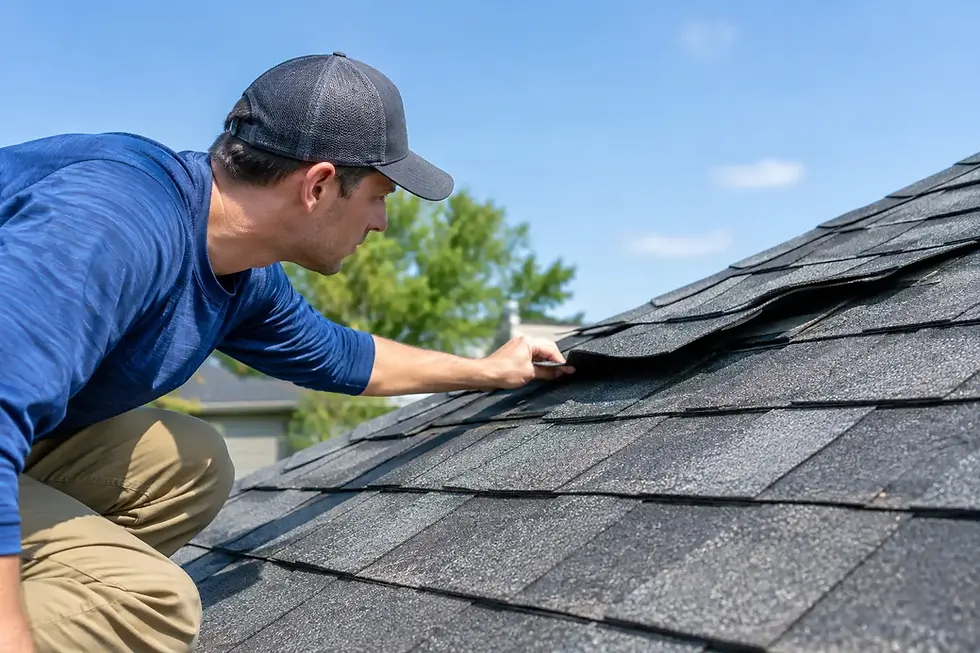
Heat trapped below the roof deck can speed up shingle wear. You may notice curling edges, cracking, blistering, brittle granules, or color changes that seem excessive for the roof's age. Storms and direct sun also cause wear, especially on south- and west-facing slopes, so a roofing professional should assess the full picture before recommending repairs or replacement.
Sagging or Soft Roof Decking
A sagging roofline, soft spots, or uneven decking can signal moisture damage. Ventilation alone may not be the cause, but prolonged condensation can weaken plywood or oriented strand board over time. This is a structural concern, not a cosmetic issue. Schedule an inspection promptly if you see a dip in the roofline or suspect deteriorated decking.
Damaged, Missing, or Blocked Vents
Ridge vents can be damaged by wind, box vents can crack, and soffit vents can become clogged by dust, paint, insulation, nests, or landscaping debris. Sometimes a roof has exhaust vents but no clear intake path. In other cases, a new roof was installed over an existing ventilation design that was never properly calculated for the attic space.
A vent is only helpful when it is correctly placed, open to airflow, and matched with the rest of the system.
What a Professional Ventilation Inspection Should Check
A good roofing inspection goes beyond counting vents from the driveway. It should look at the roof assembly as a working system. That includes the condition of shingles and flashing, signs of leaks, roof deck moisture, insulation placement, soffit intake, exhaust ventilation, and whether attic air can move from eave to ridge.
For commercial properties, the inspection may also include mechanical penetrations, flat-roof drainage, interior humidity sources, and the condition of vents around rooftop equipment. Building use matters. A warehouse, retail space, church, and apartment building can each create different heat and moisture demands.
The best repair is not always adding another vent. If intake is blocked, restoring soffit airflow may be the first priority. If a bathroom exhaust fan is venting into the attic, it needs to be routed outdoors. If storm damage has loosened ridge vent material or flashing, repairs should address both the damaged components and the water path.
Do Not Confuse Ventilation With More Openings
More holes in the roof do not automatically mean better ventilation. Mixing multiple types of exhaust vents can sometimes disrupt airflow instead of improving it. For example, a powered attic fan may pull conditioned air from the home if the ceiling plane is not properly air-sealed. Gable vents can work in certain designs, but they may not pair effectively with ridge vent systems.
This is why ventilation recommendations should be based on the attic layout, roof shape, insulation, and existing vents. A one-size-fits-all fix can create a new problem while leaving the original one unresolved.
When to Call for Help
Call for a roof inspection if you notice repeated attic moisture, musty odors, unexplained second-floor heat, shingle deterioration that seems premature, ceiling stains, or visible damage around vents. It is also smart to have ventilation checked after major wind events, roof replacement, or attic insulation work.
Price Contracting Solutions provides practical roofing evaluations for homeowners, property managers, and commercial property owners throughout Memphis, West Tennessee, Northeast Arkansas, and North Mississippi. As a family-owned, licensed, bonded, and insured contractor, the team can assess whether your concern is ventilation, storm damage, a leak, or a combination of issues - then explain the next step clearly.
Your roof should do more than keep out the rain. If your attic feels too hot, smells damp, or shows signs of moisture, schedule a professional inspection before a small airflow issue turns into costly damage.

Comments