

How to Protect Roofs From Wind and Storm Damage
A roof rarely fails all at once. Wind usually starts by lifting one loose shingle, flexing one exposed flashing edge, or finding one weak area along the roofline. Once that opening forms, the next storm has an easy path to cause leaks, missing materials, and expensive interior damage.
Knowing how to protect roofs from wind starts with understanding that wind resistance is not just about shingles. It is about the entire roofing system: the deck beneath it, the underlayment, fasteners, flashing, ventilation, gutters, and the condition of the trees around your property. For homeowners and property owners across the Mid-South, where strong thunderstorms and severe weather are a regular concern, proactive maintenance is far less costly than waiting for a visible leak.
Start With the Roof Edges
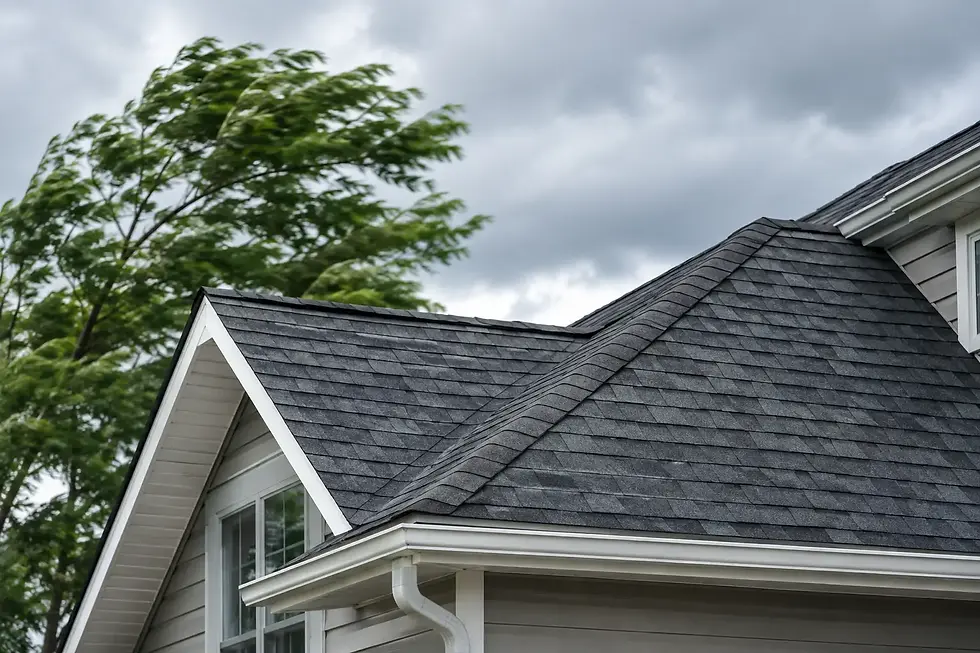
The edges of a roof are where wind gets its best leverage. Eaves, rakes, ridges, and roof corners face more uplift pressure than the center of the roof. If shingles are cracked, curled, loose, or improperly installed in these areas, wind can get underneath and begin peeling materials away.
A professional inspection should focus closely on drip edge, starter shingles, ridge caps, and flashing. These details are small compared with the full roof, but they do a major share of the work during high winds. A roof can look fine from the driveway while having loose edges that are ready to fail in the next storm.
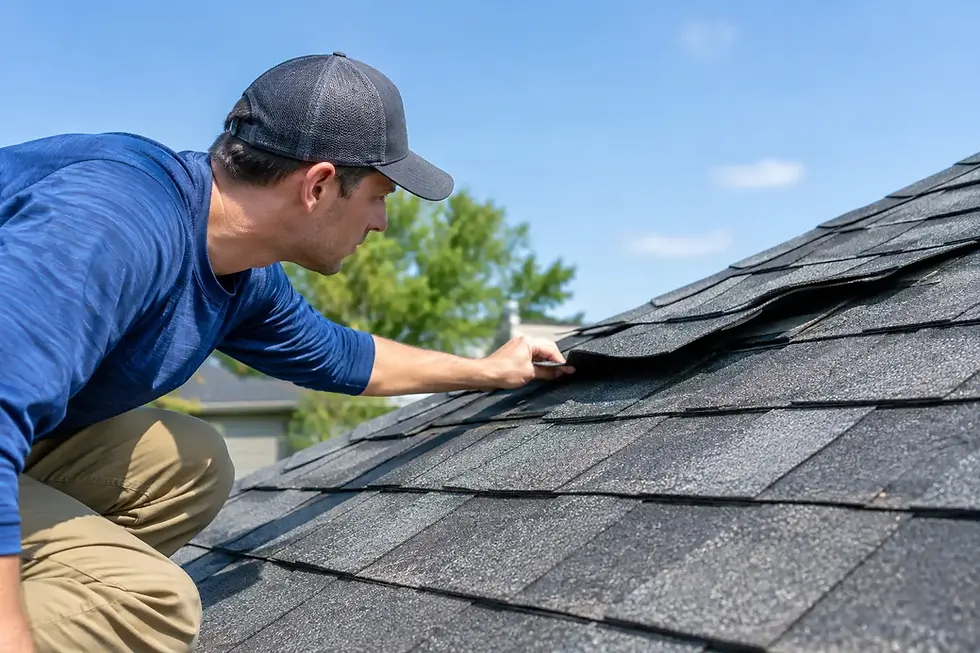
For older roofs, replacing a few damaged shingles may be enough if the surrounding system remains sound. If wind damage is recurring or the shingles have become brittle with age, targeted repairs can turn into a temporary fix. That is when a replacement with a properly installed wind-rated system may offer better long-term value.
Choose Materials Rated for Local Weather
Not every roofing material performs the same in the wind. When replacing a roof, ask about the wind rating of the shingle or metal system, as well as the installation requirements needed to qualify for that rating. Manufacturer ratings only matter when every approved component is installed correctly.
Architectural asphalt shingles are a common choice because they provide a stronger, more dimensional profile than basic three-tab shingles. High-quality metal roofing can also perform very well in wind when panels, trim, and fasteners are designed and installed for the building. The right option depends on your budget, roof slope, property type, and long-term plans.
For commercial buildings, wind protection may involve membrane attachment methods, perimeter securement, drainage improvements, and careful attention to rooftop equipment. A loose edge on a low-slope commercial roof can allow wind to travel beneath the membrane, so repairs should never be delayed.
The product matters, but installation matters just as much. Proper nail placement, the right number of fasteners, sealed shingle tabs, and correctly integrated underlayment all help the roof work as one system. Saving money on a low-bid installation can become expensive when the first major windstorm exposes shortcuts.
Keep Water Out if Wind Gets Underneath
Wind-driven rain does not behave like a normal shower. It can push water upward and sideways beneath shingles, around vents, and through tiny gaps that would not leak during a light rain. A good underlayment provides a second layer of protection when the outer roofing material is challenged.
Ice and water barrier products are often valuable in vulnerable areas such as eaves, valleys, roof penetrations, and transitions. Even though Memphis and the surrounding region are not known for long, harsh winters, these self-adhering barriers help guard against wind-blown rain. They are especially useful where water naturally concentrates or changes direction.
Flashing also deserves close attention. Chimneys, skylights, wall intersections, plumbing vents, and HVAC penetrations are common leak points. Caulk alone is not a lasting wind-defense strategy. Flashing needs to be properly layered with the roofing material so water is directed down and off the roof.
Maintain Gutters, Trees, and Drainage
A wind-ready roof needs clear drainage. Clogged gutters can allow water to back up under shingles, saturate fascia boards, and weaken the roof edge. Add wind to that situation, and the pressure on already-damaged materials increases.
Clean gutters and downspouts at least twice a year, and more often if your property is surrounded by mature trees. Make sure downspouts discharge away from the foundation and that gutter hangers are secure. A sagging gutter can pull on fascia and create an opening where wind and water can enter.
Tree care is another practical part of wind protection. Remove dead limbs, trim branches that hang over the roof, and watch for limbs that could scrape shingles during a storm. Healthy trees can add shade and curb appeal, but overhanging branches become a serious roofing risk when wind speeds rise.
Do not overlook loose exterior items. Patio furniture, grills, planters, and damaged fencing can become windborne debris. Bringing these items in or securing them before severe weather helps protect the roof, windows, siding, and vehicles.
Inspect the Attic, Not Just the Shingles
The attic can reveal roofing problems before they become visible inside your living space. Look for water stains on roof decking, damp insulation, daylight around roof penetrations, or a musty smell after storms. These signs may point to a small opening caused by lifted shingles or compromised flashing.
Ventilation also plays a role in roof performance. Excessive heat and moisture in the attic can shorten shingle life, weaken decking over time, and contribute to curled or deteriorated materials. A balanced ventilation system helps the roof age more evenly, which supports better performance when high winds arrive.
Property owners should be cautious about walking on a roof to inspect it themselves. Steep slopes, wet shingles, hidden damage, and loose materials make roof work dangerous. A ground-level visual check is helpful, but a trained roofing professional can assess areas you cannot safely see.
What to Do Before and After a Windstorm
Before severe weather arrives, walk around the property and look for obvious concerns: loose shingles, hanging gutters, open soffit areas, damaged siding, or tree limbs close to the roof. Take a few clear photos of the exterior for your records. If a claim becomes necessary later, having pre-storm photos can help establish the condition of the property.
After the storm passes, check from the ground for shingles in the yard, bent flashing, exposed underlayment, fallen branches, or debris around roof drains. Inside, look at ceilings, attic spaces, and upper walls for fresh stains or moisture. If you notice a problem, document it promptly and schedule an inspection rather than waiting to see whether the leak gets worse.
Avoid signing paperwork with a contractor who appears immediately after a storm and pressures you to make a decision. Storm damage creates urgency, but you still deserve clear answers about scope, materials, insurance documentation, licensing, and warranty coverage. Choose a local contractor with an established reputation and a track record of standing behind the work.
Build Wind Protection Into Your Next Roof
If your roof is nearing the end of its life, the best time to improve wind resistance is during replacement. This allows the contractor to inspect the roof deck, correct weak areas, install appropriate underlayment, replace damaged flashing, and use a complete system designed to perform together.
Ask direct questions before work begins. What wind rating is available? How are shingles fastened? Will the crew replace flashing and drip edge as needed? What workmanship and wind coverage comes with the installation? Clear answers now can prevent uncertainty after a storm.
Price Contracting Solutions helps homeowners and property owners protect what matters with professional roofing systems, dependable workmanship, and warranty options that include up to a 15-year wind warranty with free wind damage repairs. A free roof inspection can identify small concerns before they become major storm repairs.
The next strong wind does not need to be the moment you find out your roof has a weak point. Give your property a careful check, address repairs early, and choose roofing work built to hold its ground when the weather turns.

Comments