
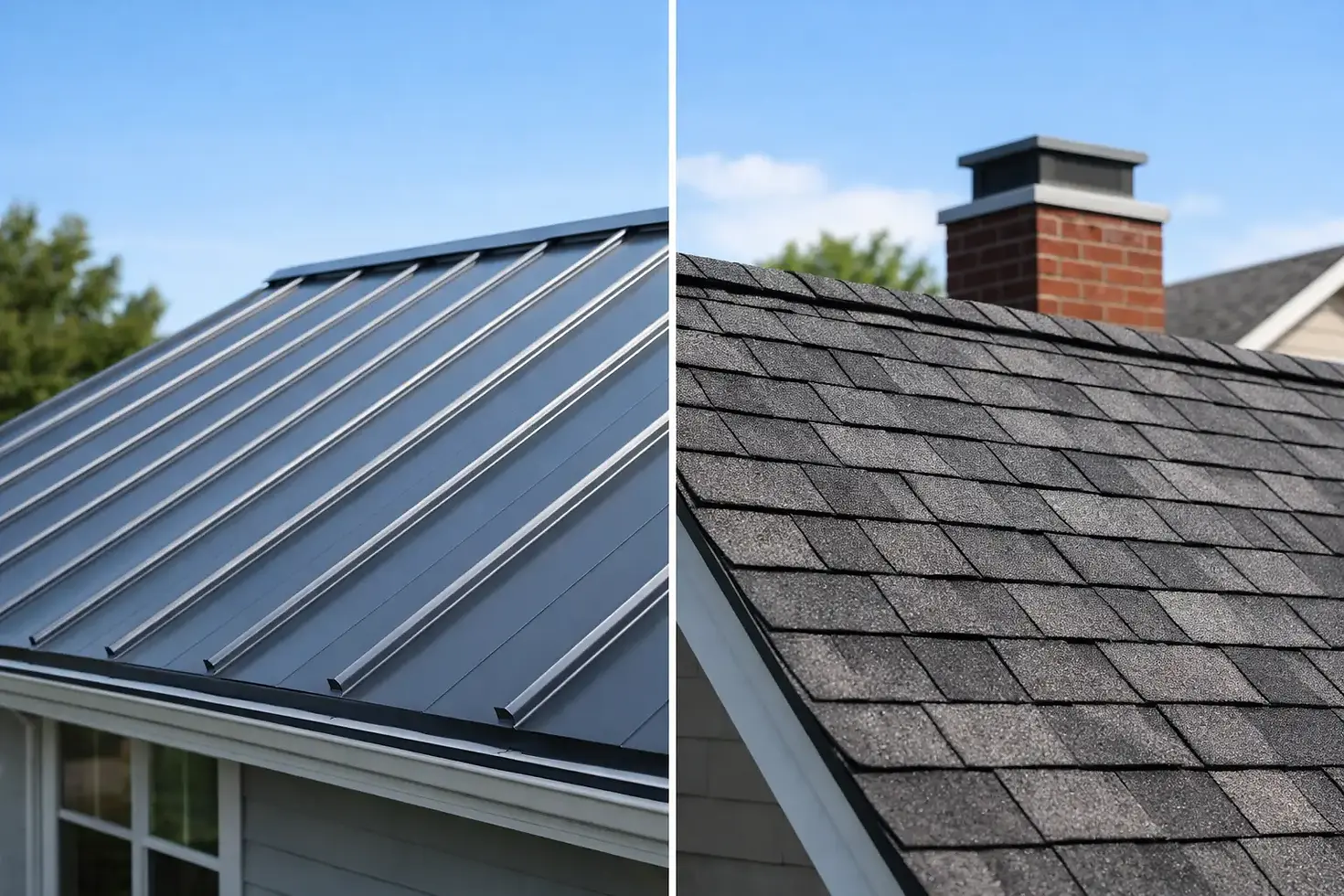
Metal Roof Versus Shingles: Which Wins?
If your roof is showing age after another stretch of hard wind, hail, and heat, the question usually gets practical fast: metal roof versus shingles - which one gives you the better return, better protection, and fewer headaches over time? For most property owners, the answer is not about trends. It is about what holds up, what fits the budget, and what makes sense for the way the building is actually used.
That is where a lot of roofing decisions go sideways. People hear that metal lasts longer, or that shingles cost less, and stop there. Real life is more complicated. A roof has to match your structure, your long-term plans, your insurance concerns, and the weather it will face year after year.
Metal roof versus shingles: the biggest difference
The simplest way to look at it is this: shingles usually win on upfront cost, while metal often wins on lifespan and durability. That does not automatically make metal the better roof for every home or commercial building.
Asphalt shingles are common for a reason. They are more affordable to install, available in many colors and styles, and familiar to most homeowners. Repairs can also be straightforward when damage is limited to one area.
Metal roofing tends to cost more at the start, but it is built for the long haul. It handles harsh weather well, sheds water efficiently, and can outlast multiple shingle roof replacements if installed correctly. For owners planning to stay put for years, that matters.
Cost matters - but so does timing
If you are comparing quotes, shingles will usually look more attractive on day one. The material cost is lower, labor is often less intensive, and the total project price is generally easier to absorb.
That lower entry point is a real advantage. If a roof replacement needs to happen now, and budget is tight, shingles may be the right move. A good shingle system installed by a qualified contractor can still give strong performance and curb appeal.
Metal changes the math because the investment is front-loaded. You pay more now in exchange for longer service life, less frequent replacement, and often better resistance to weather-related wear. For some owners, especially those who plan to keep the property long term, that can make metal more cost-effective over time.
The key is being honest about how long you expect to own the property. If this is your forever home, a metal roof may be easier to justify. If you expect to sell in a few years, shingles may deliver the better practical return.
Lifespan is one of the clearest trade-offs
A standard asphalt shingle roof can last for decades, but actual life expectancy depends heavily on material quality, installation, ventilation, and weather exposure. In storm-prone areas, those years can shorten if wind damage, granule loss, and repeated repairs start adding up.
Metal roofing usually has the edge here. It is known for long service life and strong performance under tough conditions. That does not mean it is maintenance-free or immune to problems. Fasteners, panels, flashing, and installation details still matter. But when the system is installed right, metal usually gives owners a longer runway.
This is one reason warranty coverage matters so much. A roof is only as reassuring as the company standing behind it. Strong workmanship protections and long-term system warranties can make a major difference in the real value of either option.
Storm resistance is not a small detail
Around Memphis, West Tennessee, Northeast Arkansas, and North Mississippi, roofing is not just about appearance. Wind, heavy rain, hail, and seasonal storm activity put every roof to the test. That is why the metal roof versus shingles conversation often comes down to weather performance.
Metal roofing is widely valued for wind resistance and durability. It can be a strong option for owners who are tired of worrying every time a major storm rolls through. Its design allows water to move off the roof quickly, and many systems hold up well under demanding conditions.
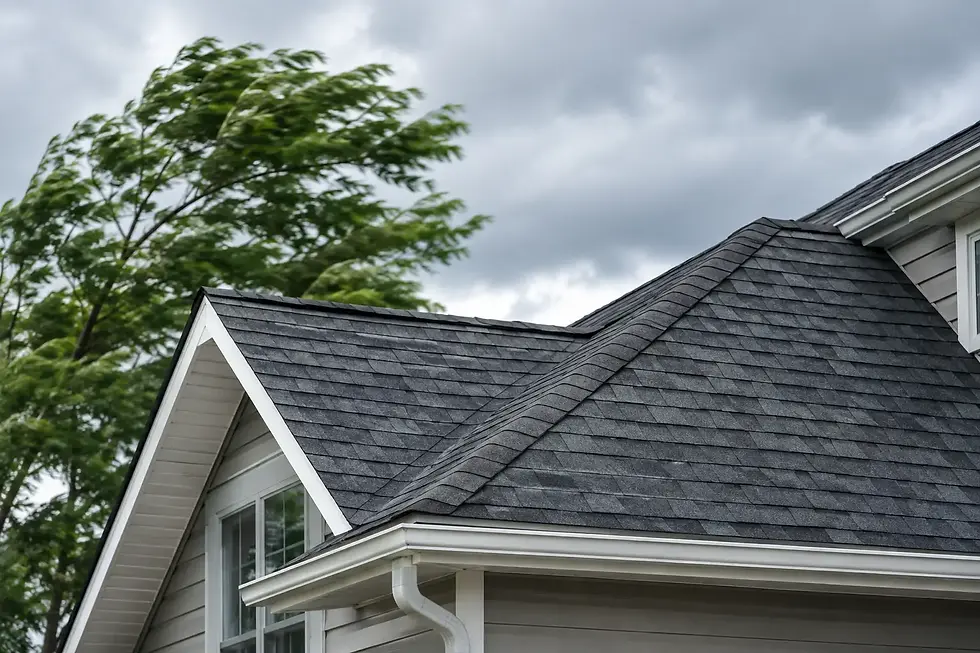
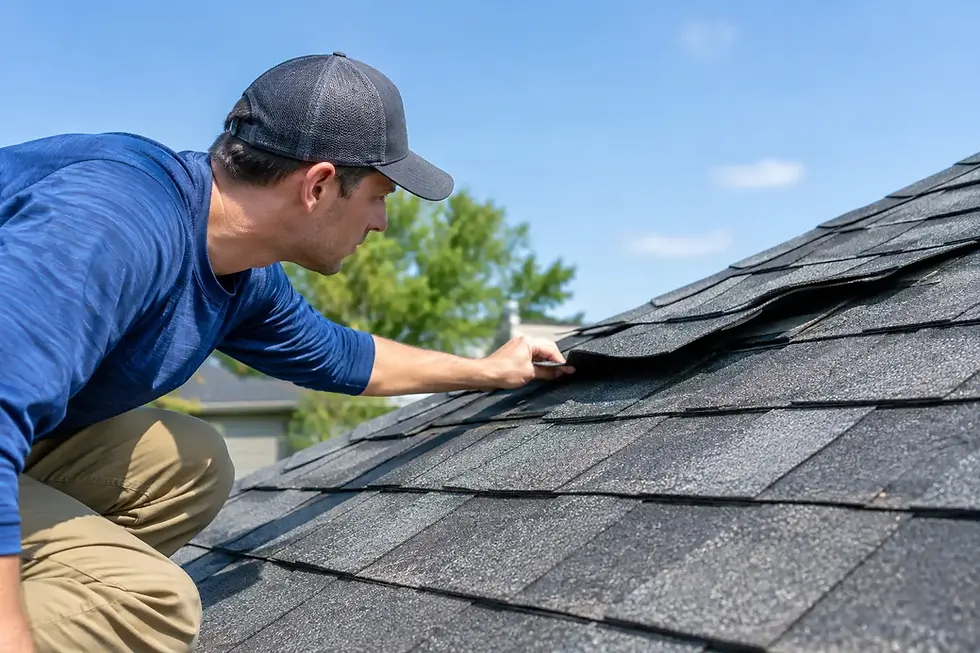
Shingles can still perform well, especially when high-quality products are installed to manufacturer standards. But they are generally more vulnerable to certain types of storm damage, particularly as the roof ages. Missing tabs, lifted edges, and impact damage are common issues homeowners end up dealing with after severe weather.
That does not mean shingles are a bad choice. It means the installation quality, product grade, and warranty protection matter even more.
Appearance is personal - and it should stay that way
Some homeowners hear "metal roof" and immediately picture an old barn. That is outdated thinking. Modern metal roofing comes in a range of profiles and finishes, and many systems look clean, sharp, and upscale.
Shingles still offer the broadest familiarity in most neighborhoods. They blend in easily and suit a wide range of home styles. If resale depends on matching surrounding homes, shingles may feel like the safer visual choice.
Metal can make a stronger statement. For some properties, that is a plus. For others, especially traditional homes where a classic look matters most, architectural shingles may fit better.
This is one of those areas where there is no universal winner. The right roof should protect the property, but it should also look right on the building.
Maintenance and repairs are different, not necessarily easier
Homeowners sometimes assume metal means zero maintenance. That is not realistic. Every roof system needs inspections, especially after storms. Sealants can age, flashing details can fail, and debris still needs attention.
Shingle repairs are often more familiar and more localized. If a few shingles blow off, repairs may be relatively simple if the surrounding roof is in decent condition. But repeated patchwork on an older shingle roof can become a sign that replacement is the smarter move.
Metal repairs can require more specialized knowledge. Matching panels, addressing fastener issues, and preserving system integrity is not something you want handled casually. The upside is that if the roof is installed well from the start, the need for frequent repair may be lower.
Energy efficiency gets talked about a lot
Metal roofs are often praised for reflecting heat, which can help with energy performance in hot weather. That can be a real benefit, especially on buildings that take full sun for long stretches.
Shingles are not automatically inefficient, though. Ventilation, attic insulation, roof color, and product selection all affect how the system performs. A poorly ventilated attic under any roofing material can still drive up cooling costs.
So yes, metal may offer an efficiency advantage in certain situations. But it should be viewed as one piece of the puzzle, not the only factor.
Which roof makes the most sense for your property?
If your priority is the lowest upfront cost, a familiar appearance, and a solid roofing solution installed quickly, shingles are often the right fit. They remain a dependable choice for many homes and properties.
If your priority is long-term durability, storm performance, and a roof you may not have to replace again for a very long time, metal deserves serious consideration. It is especially appealing for owners who think in terms of decades, not just this year’s budget.
Commercial property owners may lean toward metal more often because long service life and weather resistance can be worth the initial spend. Homeowners can go either direction depending on plans, budget, and neighborhood style.
That is why a good contractor will not push one option blindly. They should look at the age of the structure, roof pitch, local weather exposure, budget range, and ownership timeline before making a recommendation.
The contractor matters as much as the material
A great product installed poorly is still a bad roof. That is true whether you choose metal or shingles. Proper underlayment, flashing, ventilation, fastening methods, and cleanup all affect how the roof performs.
This is where trust matters. You want a contractor who is licensed, bonded, insured, experienced with both systems, and willing to explain the trade-offs clearly. You also want real warranty protection, not vague promises made during a sales pitch.
For many owners, that peace of mind is the deciding factor. Knowing the company behind the work will still be there after the job is done can matter just as much as the material sitting on the roof.
If you are weighing metal roof versus shingles, the best next step is not guessing. It is getting a clear inspection, a straightforward quote, and honest guidance based on your property. A good roof should do more than cover your building. It should let you stop worrying every time the forecast turns ugly.

Comments