

Can Wind Damage Loosen Shingles? What to Know
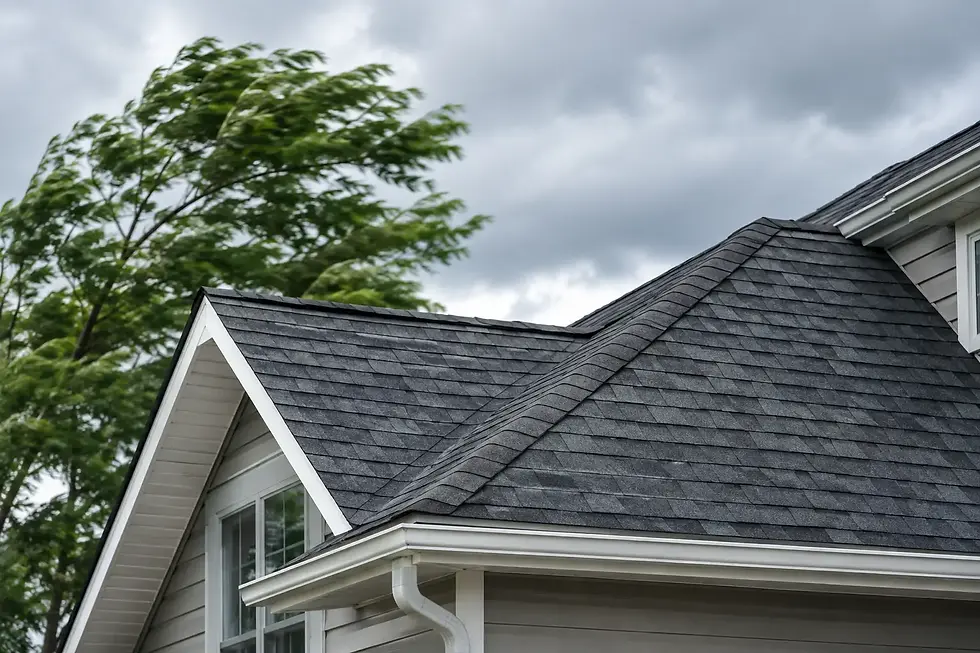
A roof can look perfectly normal from the driveway after a hard storm, yet have shingles that are no longer sealed, nailed securely, or positioned to shed water. So, can wind damage loosen shingles? Absolutely. And in Memphis and surrounding storm-prone communities, catching that damage early can be the difference between a manageable repair and an interior leak.
Wind does not always rip shingles off in one dramatic moment. Often, it works underneath the edges, lifting and flexing them repeatedly until the seal breaks or a fastener loosens. Once that protective layer is compromised, the next rainstorm can find its way beneath the shingles and into the roof deck.
How Wind Damage Loosens Shingles
Asphalt shingles are designed to overlap and form a water-shedding surface. Their adhesive strips help bond each course together, while nails hold the shingles to the roof deck. Strong winds can challenge both parts of that system.
When wind catches the lower edge of a shingle, it creates uplift. A powerful gust may bend the shingle backward, break its adhesive seal, pull against the nails, or crease the material. Even if the shingle settles back into place, it may no longer lie flat or resist the next storm the way it should.
Wind damage is more likely around roof edges, ridges, hips, valleys, vents, chimneys, and other transitions. These areas experience more pressure changes than the broad middle sections of a roof. Older shingles, improperly installed shingles, and roofs with prior storm wear are also more vulnerable.
A few loosened shingles may not seem urgent, but roofing is a system. One lifted edge can allow wind-driven rain beneath surrounding shingles. It can also give the next gust a starting point to lift more material.
Signs Wind May Have Loosened Your Shingles
Missing shingles are the obvious sign, but they are not the only sign that your roof needs attention. Some wind damage is subtle enough that it takes a close inspection to identify it safely.
Look for shingles that are lifted, curled, creased, cracked, or no longer lying flush against the roof. A shingle with a horizontal crease is especially concerning because it has often been bent by wind and may be weakened even if it remains attached. You may also notice exposed nail heads, loose ridge caps, damaged flashing, or granules collecting in gutters and at downspout exits.
Inside the property, watch for fresh ceiling stains, peeling paint near the ceiling line, damp attic insulation, or a musty odor after rainfall. These do not always mean a roof leak is the cause, but they are reasons to investigate quickly.
Do not climb onto the roof to check for damage. A storm can leave surfaces slick, unstable, and difficult to navigate. A ground-level look with binoculars can reveal obvious issues, but a qualified roofing inspection is the safest way to determine whether shingles have lifted or lost their seal.
What About Shingles That Look Fine?
This is where homeowners often get caught off guard. A shingle can be loosened without being visibly missing or curled from the ground. The adhesive bond may have separated, nails may have backed out slightly, or the shingle may have flexed enough to create a weak point.
A professional inspection can check whether shingles are properly sealed, whether fasteners remain secure, and whether wind has affected flashing or roof penetrations. That closer look matters because waiting for a visible leak can mean water has already reached the roof deck, insulation, or framing.
What to Do After High Winds
After a major wind event, start with a careful walk around your property. Check for shingles, ridge cap pieces, metal flashing, or other roofing material on the ground. Look at gutters, siding, fences, and outdoor equipment as well. Damage in these areas can help show how severe the storm was at your location.
If you see an active leak, protect the interior first. Move belongings away from the affected area, place a container under drips, and take photos of the damage. Avoid puncturing a ceiling or attempting a roof repair unless you can do so safely and know exactly what you are addressing.
Next, document what you can from the ground and arrange a roof inspection. Clear photos, dates, and notes about when you noticed the issue can be useful if an insurance claim becomes necessary. A reputable contractor can identify storm-related damage, explain the repair options in plain language, and provide the documentation needed for your records.
Do not assume that a roof is fine simply because it is not leaking today. Wind damage can create a delayed problem. A broken seal or loose shingle may hold through a light shower but fail during the next hard rain or stronger gust.
Can Loosened Shingles Be Repaired?
Sometimes, yes. The right solution depends on the shingle’s condition, the age of the roof, and how widespread the damage is. If a small area has recently lifted but the shingles are otherwise in good condition, a targeted repair may restore protection.
However, a shingle that is creased, cracked, torn, brittle, or missing granules usually should not simply be pressed back down. Its ability to protect the roof may already be compromised. The same is true when wind damage affects multiple slopes, ridge caps, flashing, or a large number of shingles.
Color matching is another practical consideration. New shingles may not match an older roof exactly due to weathering and fading. For isolated repairs, that may be an acceptable trade-off. For extensive damage, a larger repair or replacement may provide better long-term value and a more consistent appearance.
An honest inspection should give you clear options, not pressure. You deserve to know whether your roof needs a simple repair, storm-damage work, or a full replacement - and why.
Why Fast Repairs Matter
Loose shingles expose more than the visible roofing surface. If water gets beneath them, it can wet the underlayment and roof deck. Over time, trapped moisture can lead to wood rot, mold concerns, damaged insulation, and stains on interior ceilings and walls.
Wind can also continue the damage after the storm has passed. Once a shingle loses its seal, regular breezes and temperature changes can make it lift more easily. The longer it remains unsecured, the greater the chance that surrounding shingles will be affected.
For rental homes, retail spaces, offices, and other commercial properties, a small roofing issue can also become an operational headache. Leaks disrupt tenants, inventory, customers, and employees. Prompt inspection protects the building and helps avoid an emergency repair at the worst possible time.
Choose Protection Built for Storm Season
Homeowners should not have to guess whether a storm weakened their roof. A thorough inspection provides a clear answer and a practical plan before a small issue grows into a costly one.
Price Contracting Solutions is a family-owned team serving homeowners and property owners across Memphis, West Tennessee, Northeast Arkansas, and North Mississippi. Licensed, bonded, insured, and GAF certified, the team provides clear roofing recommendations backed by strong warranty protection, including qualifying roofing systems with up to a 50-year warranty and a 15-year wind warranty with free wind damage repairs.
If recent winds have you wondering about your roof, request a free quote or instant roof estimate. A timely inspection can give you confidence before the next storm puts those loosened shingles to the test.


Comments