
Homeowner Guide to Roof Inspections Before Storms
A roof rarely fails all at once. More often, a lifted shingle, loose flashing, or clogged gutter lets water in little by little until a ceiling stain or interior leak forces the issue. This homeowner guide to roof inspections helps you spot early warning signs, protect your property, and make a confident call when professional help is needed.
For homeowners across Memphis, West Tennessee, Northeast Arkansas, and North Mississippi, regular roof checks are especially practical. Strong winds, heavy rain, hail, summer heat, and falling limbs can all shorten the life of a roofing system. A quick inspection cannot replace a qualified roofing evaluation, but it can help you act before a small repair becomes a major expense.
When to Inspect Your Roof
Plan to inspect your roof at least twice a year, ideally once in spring and again in fall. These seasonal checks give you a chance to find issues before severe weather arrives and after summer heat has had months to stress shingles and sealants.
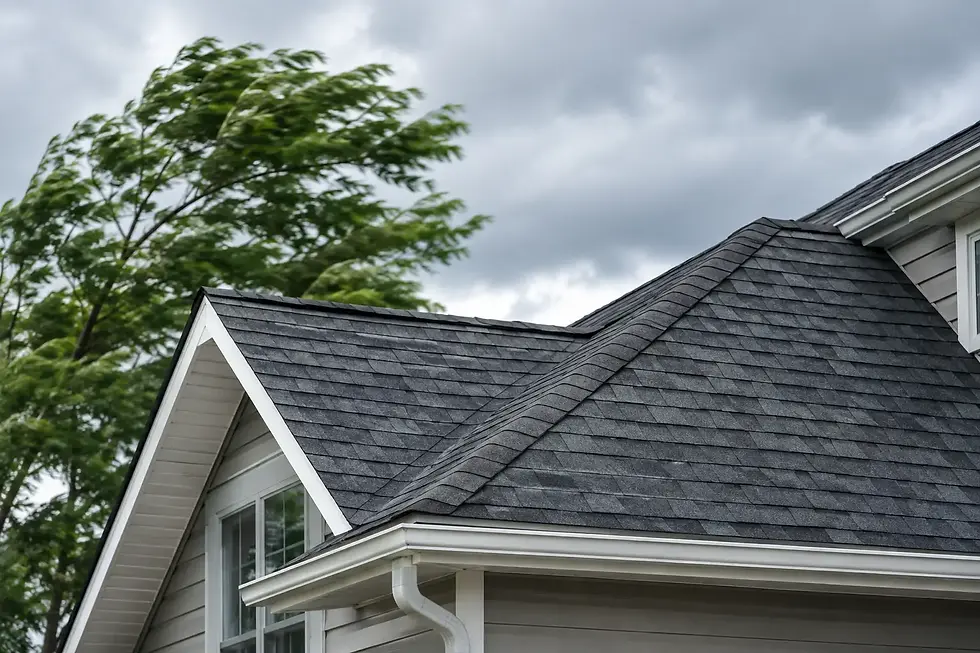
You should also inspect from the ground after any event that could cause damage. High winds, hail, a tornado warning, a tree limb strike, or a major rainstorm all justify a closer look. Do not wait for water to enter the house. Storm damage is often visible outside before it becomes obvious indoors.
Timing matters after a storm. Take photos of anything you notice as soon as it is safe, then arrange a professional inspection promptly. Early documentation can be helpful if an insurance claim becomes necessary, and quick repairs can prevent additional water damage that may not be covered the same way.
Start With a Safe Ground-Level Inspection
The best homeowner roof inspection starts with safety. Walk around the home during daylight, using binoculars if you have them. You can learn a lot without climbing onto the roof, and walking on shingles can be dangerous while also causing damage if done incorrectly.
Look for shingles that are missing, curled, cracked, buckled, or visibly out of place. A few dark patches may indicate lost granules, while exposed areas of lighter asphalt can signal that a shingle is wearing down. Granules in gutters or at the bottom of downspouts are another clue. Some granule loss is normal as a roof ages, but a sudden buildup after a storm deserves attention.
Pay close attention to roof edges, ridges, valleys, vents, skylights, chimneys, and pipe boots. These areas manage water movement or connect different materials, so they are common locations for leaks. Flashing should lie flat and appear secure. Rust, gaps, lifted edges, or cracked sealant around flashing can allow water behind the roofing material.
From the yard, check for sagging roof lines. A roof should look straight and consistent. A dip or sag may point to damaged decking, moisture beneath the shingles, or a structural concern. That is not a wait-and-see issue. Schedule a professional evaluation as soon as possible.
Check Gutters, Drainage, and Nearby Trees
Your gutters are part of your roof protection system. When they are clogged with leaves, shingle granules, or debris, rainwater can back up beneath the roof edge. That can damage fascia boards, soffits, siding, and the roof deck over time.
During your inspection, make sure gutters are firmly attached and downspouts direct water away from the foundation. Look for standing water, overflowing sections, or gutter seams that drip during rainfall. These may be maintenance issues, but they can also reveal that the roof is shedding an unusual amount of granules.
Check nearby trees as well. Low branches scrape shingles, drop debris into valleys and gutters, and can break during a storm. Trim branches back before they become a roof hazard. If a large limb is touching the roof or hanging over it, call a qualified tree service rather than trying to handle it yourself.
Inspect the Attic and Interior for Hidden Clues
Roof problems do not always show up on the roof surface. Your attic can reveal moisture issues long before water reaches the living space. On a dry day, use a flashlight and look for dark staining, damp insulation, mold-like growth, rotted wood, or a musty smell.
Also look for daylight around vents, chimneys, and roof penetrations. Small openings can let in wind-driven rain, insects, and humid air. In older homes, you may find a problem that is not caused by a recent storm at all. Poor ventilation can trap heat and moisture in the attic, accelerating shingle aging and creating condensation problems that resemble a roof leak.
Inside the home, inspect ceilings and upper walls for yellow or brown stains, peeling paint, bubbling drywall, or new discoloration near light fixtures. A stain does not always sit directly below the roof leak because water can travel along rafters or framing before it appears. If you see an active leak, move valuables away, place a container under the drip, and call a roofing professional right away.
What Storm Damage Can Look Like
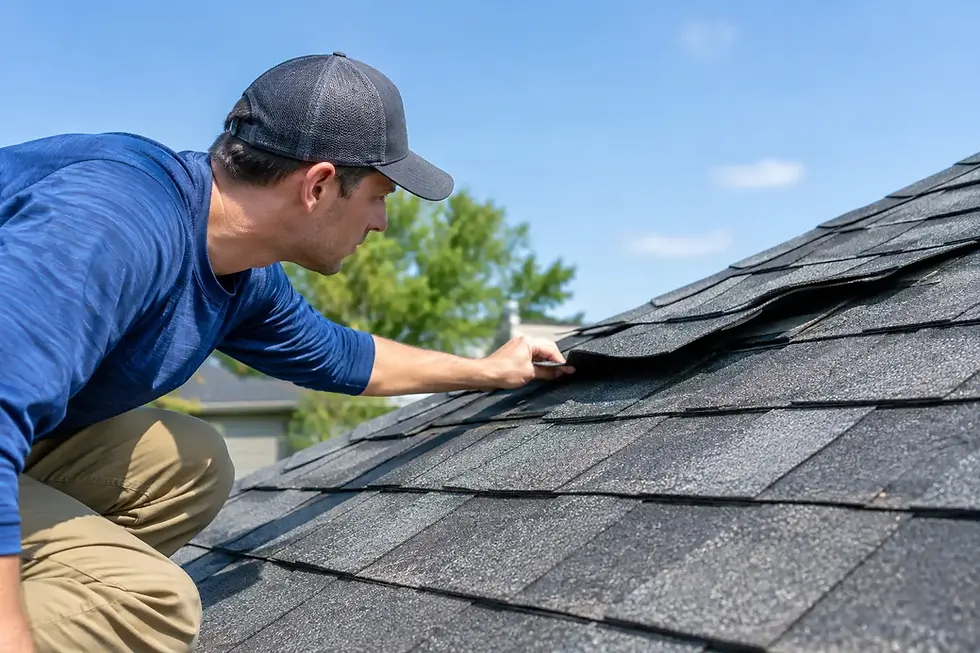
Wind damage is not always dramatic. A shingle may lift just enough to break its seal, then settle back into place. From the ground, it can look normal while allowing future rain to work underneath. Loose ridge caps, displaced flashing, exposed nail heads, and shingles folded at the edges are all possible signs of wind damage.
Hail damage can be even harder to identify. It may leave soft-looking dents, bruised spots, cracked shingles, damaged vents, or dented metal flashing. Do not rely only on a neighbor's roof or assume that hail size tells the whole story. The age, material, slope, and condition of each roof affect how it responds.
If your neighborhood experienced a major storm, a professional inspection offers more certainty than guessing from the driveway. A reputable contractor should explain what they found, show you evidence when possible, and separate storm-related concerns from normal aging. Be cautious with anyone who pressures you to sign immediately or promises to cover your deductible. Clear answers and documented findings are better signs of a contractor you can trust.
Know When a Repair Is Enough
Not every roof concern requires replacement. A damaged pipe boot, a few missing shingles, loose flashing, or a small leak caught early may be repairable. A quality repair can extend the life of a roof when the rest of the system is in good condition.
Replacement may be the better long-term value when shingles are broadly worn, repairs are becoming frequent, the roof is near the end of its expected lifespan, or there is widespread storm damage. The right decision depends on the roof's age, material, ventilation, prior repairs, and the condition of the decking beneath it. The cheapest immediate fix is not always the best price over the next five to ten years.
Ask for a clear explanation of the recommended scope of work, the materials being used, workmanship coverage, and manufacturer warranty options. Strong warranty protection matters in storm-prone areas because it reduces uncertainty after the project is complete.
Leave These Tasks to a Roofing Professional
Homeowners can handle visual checks, basic gutter cleaning when conditions are safe, and monitoring interior changes. But there are times to call a professional instead of climbing a ladder. Do so when you see missing shingles, sagging, a suspected leak, hail impacts, storm debris, damaged flashing, or any issue involving steep roofs and multiple stories.
A professional inspection can assess areas that are not safe or easy to evaluate from the ground, including shingle seals, soft decking, ventilation, flashing details, and hidden storm damage. It also gives you a documented assessment you can use when planning repairs or speaking with your insurance carrier.
Price Contracting Solutions provides homeowners with straightforward roof evaluations, quality workmanship, and warranty-focused protection built for local weather. If your roof has been through a recent storm or simply has not been checked in a while, request a free quote and get clear answers before minor wear turns into costly damage.
Your roof protects everything underneath it. A careful inspection today can give you the time, information, and options to handle tomorrow's repair on your terms.

Comments