

Property Manager Guide to Roof Budgeting
A roof problem rarely arrives at a convenient time. One week, a property is performing well. The next, a wind event exposes loose flashing, a tenant reports a ceiling stain, or water reaches inventory, insulation, and electrical systems. This property manager guide to roof budgeting helps turn those expensive surprises into a practical plan that protects your buildings, tenants, and operating income.
For properties across Memphis, West Tennessee, Northeast Arkansas, and North Mississippi, roof planning needs to account for more than age. Strong storms, wind-driven rain, heat, humidity, tree debris, and deferred maintenance can all shorten a roof's useful life. The goal is not simply to spend less this year. It is to spend wisely over the life of the asset.
Start With a Roof Inventory, Not a Guess
A reliable budget begins with a clear record of every roof you manage. If you oversee several rental homes, retail spaces, offices, or multifamily buildings, avoid treating them as one maintenance category. Each roof has a different age, material, condition, warranty status, drainage layout, and exposure to wind or overhanging trees.
For each property, document the roof type, installation date, square footage, previous repair history, known leak areas, gutter condition, and whether the roof has active manufacturer or workmanship warranty coverage. Include photographs and inspection reports. A simple spreadsheet is enough, provided it is updated after every inspection and repair.
This record gives you a replacement timeline instead of a vague assumption. It also helps you identify which buildings need immediate attention and which can be monitored while you build reserves. A 12-year-old roof with clean inspections may have more remaining value than an 8-year-old roof with poor drainage, repeated leaks, and storm damage.
Know the difference between roof age and roof condition
Roof age matters, but it is not the full story. Materials age at different rates, and installation quality has a major effect on performance. A well-installed roofing system with sound ventilation and drainage can outperform an inexpensive roof that was poorly installed only a few years ago.
Condition is what drives the budget decision. Curling or missing shingles, ponding water, damaged flashing, loose fasteners, deteriorated sealants, soft decking, granule loss, and interior water stains all deserve attention. Some issues call for a targeted repair. Others indicate that continued patching is no longer the most cost-effective option.
Build Your Roof Budget in Three Buckets
A useful roof budget separates routine maintenance, unexpected repairs, and capital replacement. Combining all three under one general maintenance line makes it harder to see the real cost of ownership and easier to postpone work that should be scheduled.
Routine maintenance covers planned inspections, gutter cleaning, debris removal, minor sealant work, and small corrections before water gets inside. This is the least dramatic part of the budget, but it often prevents the most expensive claims.
Unexpected repairs cover storm damage, fallen branches, emergency leak response, and failures found between inspections. You cannot predict the exact event, but you can set aside a realistic contingency based on the building's condition, roof type, and local weather exposure.
Capital replacement is the planned investment for a full roof system replacement. This should be a separate reserve, especially for properties with roofs approaching the end of their expected service life. Treating a replacement as an ordinary repair expense can disrupt cash flow and force rushed contractor decisions.
For a portfolio with multiple properties, prioritize spending based on risk rather than simply replacing the oldest roof first. A roof over occupied units, expensive equipment, tenant inventory, or a high-traffic business may deserve earlier investment because the consequences of failure are greater.
Set a Replacement Reserve That Reflects Reality
There is no single percentage that works for every property. Replacement costs depend on roof size, slope, material, deck repairs, code requirements, access, drainage needs, and the complexity of removing the old system. Commercial flat roofs and residential shingle roofs should not be budgeted the same way.
Start with a current, written replacement estimate for each aging roof. Then divide that projected cost by the number of years remaining in its expected service life. If a roof is likely to need replacement in eight years and current replacement cost is estimated at $40,000, setting aside about $5,000 per year creates a basic starting point. Add room for material and labor price increases, because waiting until the roof fails leaves little leverage or flexibility.
Update estimates regularly. A reserve based on pricing from five years ago can leave a serious funding gap. It is also smart to account for deductible exposure. If storm damage occurs, insurance may help with a covered loss, but deductibles, exclusions, depreciation, and pre-existing condition issues can still create out-of-pocket costs.
Avoid budgeting only for the visible roof surface
A complete replacement may involve more than shingles or membrane. Budget conversations should account for decking repairs, flashing, underlayment, ventilation, pipe boots, ridge components, gutters, drainage corrections, permits, and cleanup. On commercial buildings, curbs, penetrations, HVAC coordination, and access can also affect the final scope.
A lower initial estimate may not represent a lower long-term cost if critical system components are left out. Ask contractors to explain what is included, what could change after tear-off, and what warranty applies to both materials and workmanship.
Inspections Protect the Budget You Already Have
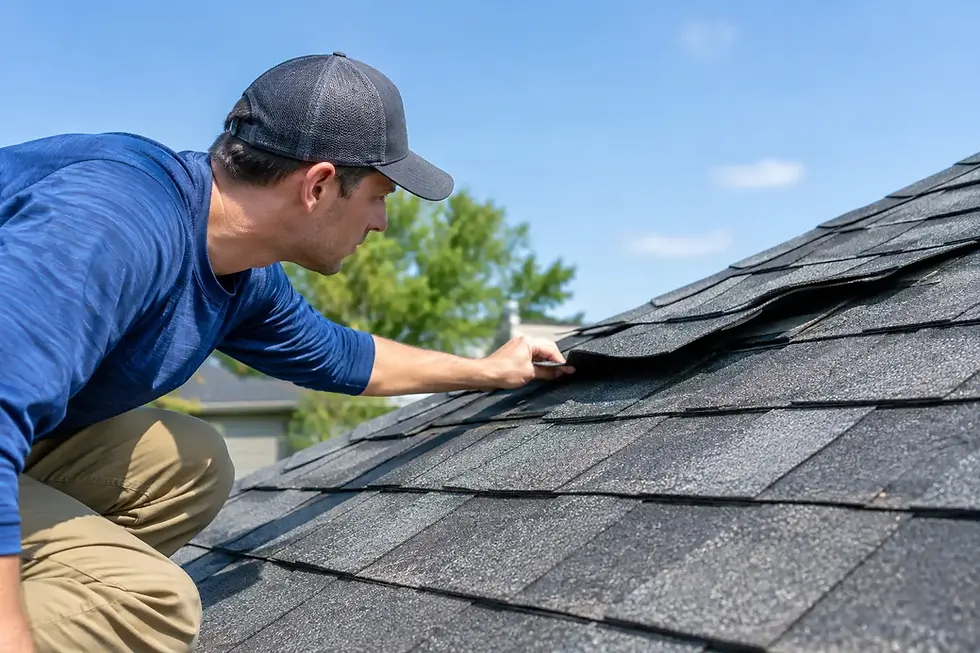
Planned roof inspections should happen at least twice a year and after significant wind, hail, or storm activity. For managed properties, spring and fall are practical times to check for seasonal damage, debris buildup, drainage problems, and worn sealants.
Inspection reports should be actionable. “Roof looks good” is not enough for a property file. Request documented observations, photographs, priority recommendations, and a clear distinction between urgent repairs, maintenance items, and conditions to monitor. That information supports budgeting, owner communication, insurance documentation, and tenant confidence.
Fast response matters when a leak is reported. A small stain can signal a bigger issue hidden above the ceiling. Address the active water intrusion, but also identify the cause. Repeatedly repairing the interior without correcting flashing, drainage, or roof damage allows the problem to grow behind the scenes.
Use Storm Season to Your Advantage
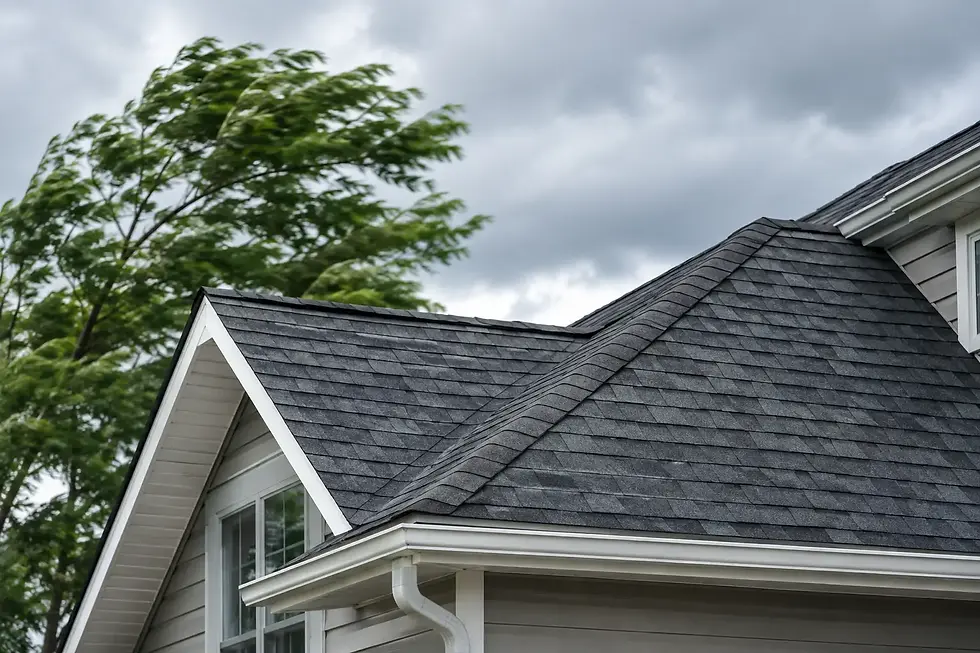
Storm-prone markets demand a more active approach. Before severe weather, make sure gutters and drains are clear, loose branches are addressed, and known weak areas have been repaired. After a storm, inspect vulnerable areas promptly rather than waiting for a tenant complaint.
Documenting the condition of a roof before and after weather events can be valuable if an insurance claim becomes necessary. Photographs, maintenance records, inspection dates, invoices, and repair documentation show that the property was actively maintained. They also help separate new storm-related damage from older wear.
Insurance should be part of the budgeting discussion, not a substitute for it. Policies vary, and coverage depends on the cause of loss and the policy language. A roof that has reached the end of its service life may not receive the same claim outcome as a roof damaged by a documented storm. Review deductibles and coverage limits before an emergency forces the issue.
Choose Repairs or Replacement Based on Total Risk
Repairing a roof makes sense when the damage is isolated, the rest of the system is in good condition, and the repair will extend service life in a meaningful way. It is often the right decision for a small flashing failure, a limited area of wind damage, or a penetration that needs to be resealed.
Replacement becomes the stronger financial choice when repairs are frequent, leaks appear in multiple areas, materials are broadly deteriorated, or the roof is near the end of its life. The biggest mistake is measuring the decision only by today's invoice. Multiple service calls, interior repairs, tenant disruption, and the risk of property damage can quickly make repeated patching more expensive than planned replacement.
When replacement is needed, select a contractor that can explain the full system, not just the surface material. Credentials, insurance, local experience, documented workmanship, and strong warranty coverage reduce risk long after installation day. Price Contracting Solutions provides free roof quotes and can help property managers evaluate repair needs, replacement timing, and warranty options without guesswork.
Make Roof Planning Part of Property Performance
A roof budget works best when it is reviewed alongside occupancy, maintenance history, insurance costs, and capital plans. Share upcoming roof needs with owners early. A clear forecast gives decision-makers time to fund the work, compare options, and schedule projects around tenants or business operations.
The best roof budget is not the one with the smallest number on paper. It is the one that gives you enough visibility to prevent avoidable damage, protect the people inside the property, and make the next decision before a storm makes it for you.

Comments