

How to Choose Roofing Contractors You Can Trust
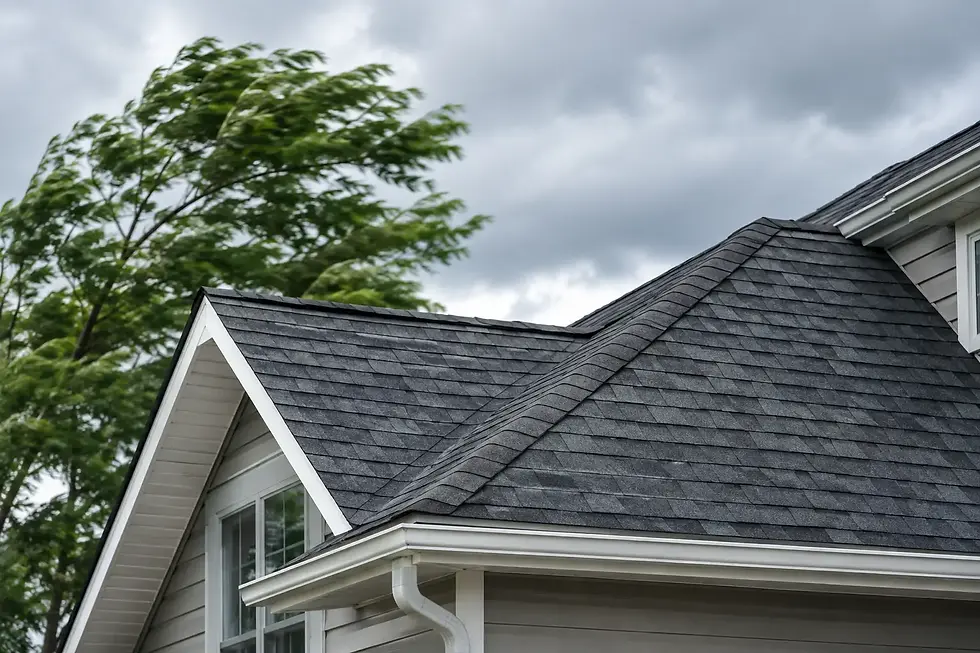
A roof problem rarely waits for a convenient time. A missing shingle after a Memphis windstorm, a ceiling stain in a rental property, or a leak over a retail space can put pressure on owners to hire fast. That is exactly when choosing the right roofing contractors matters most. The lowest number on a quick estimate can become the most expensive decision if the work, materials, or warranty fall short.
A dependable roofer should make the process clearer, not more confusing. You deserve direct answers, documented protection, and work that holds up when the next hard rain or wind event arrives.
What Reliable Roofing Contractors Should Provide
The first sign of a professional contractor is not a flashy truck or a promise of a same-day deal. It is proof. Before work begins, confirm the company is licensed, bonded, and insured for the work it performs. Ask for current documentation rather than taking a verbal assurance. Proper coverage helps protect the property owner if an accident, material damage, or jobsite issue occurs.
Credentials also tell you whether a contractor has invested in doing the work the right way. Manufacturer certifications, such as GAF certification, can indicate that a roofing company meets specific installation and training standards. Certification alone does not guarantee a perfect project, but it is a meaningful signal when paired with strong reviews, local experience, and a written warranty.
A reliable contractor will also be easy to identify after the job is complete. Be cautious when a company has no established local presence, no verifiable business information, or no clear plan for handling a future concern. A roof is not a temporary repair. The contractor should be accountable for the system they install.
Start With a Thorough Roof Inspection
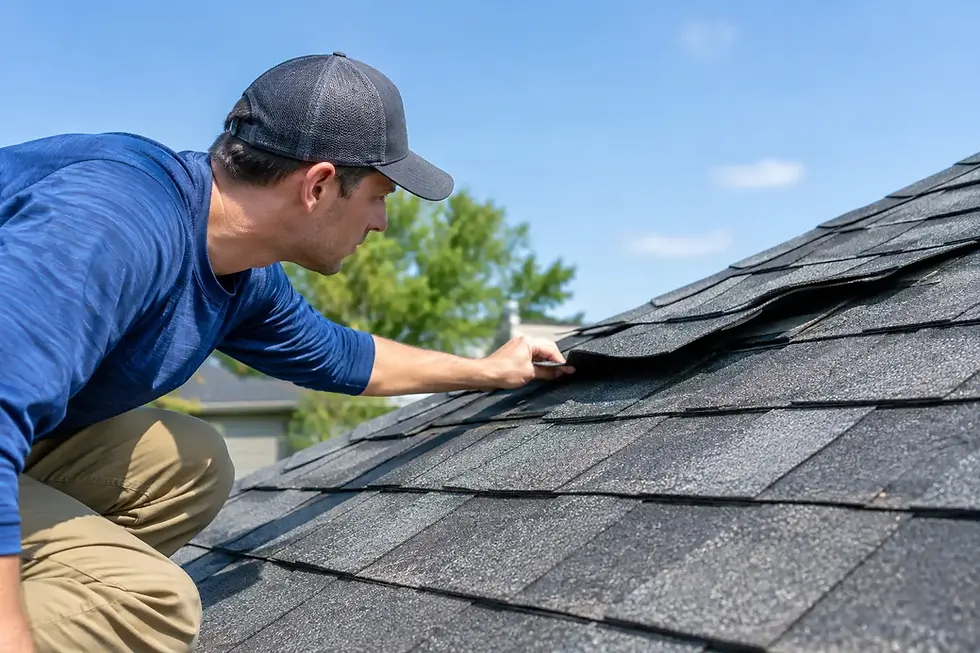
A useful estimate starts with an honest assessment of the roof, not a number thrown out from the driveway. A contractor should inspect the roof surface, flashing, penetrations, ventilation, drainage areas, and signs of decking or moisture problems when accessible. For storm-related claims, they should document visible damage clearly enough for you to understand what they found.
This matters because two roofs can look similar from the ground while requiring very different scopes of work. One may need a limited repair around a vent pipe. Another may have widespread wind damage, lifted shingles, damaged flashing, or hidden water intrusion. Replacing a roof when a repair will solve the issue wastes money. Trying to patch a system that has reached the end of its service life can waste even more.
For commercial buildings and multi-property portfolios, inspection quality is equally important. Ponding water, aging membrane seams, roof-mounted equipment, drainage failures, and tenant disruption all affect the right solution. A contractor should explain the recommendation in plain language and show how it protects the building, budget, and operations.
Compare Estimates Beyond the Bottom Line
Getting more than one quote is smart. Comparing only the total price is not. Roofing estimates can vary because contractors may be quoting different materials, different installation methods, or different levels of protection.
Review each proposal for the roof system being offered. It should identify the shingle or roofing material, underlayment, flashing approach, ventilation work, tear-off or overlay plan, and cleanup expectations. It should also explain whether damaged decking is included, excluded, or billed separately if discovered after tear-off.
A very low bid may leave out items that are necessary for a lasting installation. For example, reusing worn flashing, skipping proper underlayment, or failing to address ventilation can create problems long before the shingles themselves wear out. Price matters, especially for homeowners and property managers working within a budget. But value comes from knowing what you are paying for and what protection you receive afterward.
Ask how the contractor handles change orders. Roofing can uncover concealed damage once old materials are removed. A professional company will explain how that possibility is handled before the project starts, seek approval for additional work, and document the reason for the added cost.
Read the Warranty Like It Is Part of the Roof
A warranty should reduce uncertainty, not create more fine print to sort through later. Ask whether the warranty covers materials, workmanship, wind damage, or some combination of all three. Manufacturer coverage and contractor workmanship coverage are different, and both deserve attention.
In storm-prone areas of West Tennessee, Northeast Arkansas, and North Mississippi, wind protection deserves a direct conversation. Homeowners should know what wind damage coverage applies, how long it lasts, and what the process looks like if repairs are needed. A warranty that sounds impressive but offers little practical help during a real problem has limited value.
Look for a contractor willing to put warranty terms in writing. Price Contracting Solutions offers qualifying roofing systems with up to a 50-year warranty and a 15-year wind warranty that includes free wind damage repairs. That kind of coverage is designed around a real local concern: a new roof should provide confidence well after installation day.
Ask How Storm and Insurance Work Will Be Handled
After severe weather, reputable roofing contractors are often busy. That does not mean you should accept rushed explanations or sign paperwork you do not understand. A good contractor can inspect the damage, provide photos and documentation, and explain the repair or replacement scope without pressuring you to make an immediate decision.
Your insurance carrier determines claim coverage, not the roofing company. Still, a contractor experienced with storm damage can help you understand the condition of the roof, identify relevant damage, and prepare a clear estimate for the work. Be wary of anyone who promises a guaranteed claim approval or suggests exaggerating damage. Those are not signs of professional service.
If an adjuster visits the property, ask your contractor whether they can be available to discuss the roofing scope. The goal is not to create conflict. It is to make sure the actual damage and required repairs are understood.
Pay Attention to Communication Before the Job Begins
The way a company communicates before you hire them often predicts the project experience. Do they return calls? Do they answer questions directly? Do they explain the timeline, payment schedule, material delivery, and cleanup plan? Clear communication is especially valuable when you are managing tenants, running a business, or coordinating multiple home improvement projects.
You should know who will be your main point of contact and what happens if weather delays the schedule. Ask whether the crew will protect landscaping, driveways, and exterior features during tear-off. Confirm how nails and debris will be collected when the work is finished.
Reviews can be helpful here, particularly when they mention how a company handled a concern after the installation. Five-star ratings are encouraging, but the details matter. Look for repeated comments about responsiveness, workmanship, cleanliness, and follow-through.
Know When Repair Makes More Sense Than Replacement
Not every roofing call should end with a full replacement. A localized leak, a few damaged shingles, or minor flashing trouble may be repairable if the surrounding roof is in solid condition. Repair can be the right financial choice when the roof still has useful life and the issue is truly isolated.
Replacement may be more practical when repairs are becoming frequent, shingles are broadly failing, leaks are appearing in several places, or storm damage affects large areas. An older roof with recurring problems can drain money through repeated service calls while still leaving the property exposed. The right contractor will explain both paths, including the trade-offs, instead of treating every inspection as a replacement sale.
Make the Decision With Confidence
The best roofing decision is not based on pressure, a vague promise, or a number scribbled on the back of a card. It is based on clear scope, proven credentials, quality materials, accountable workmanship, and warranty protection that makes sense for your property.
Whether you own a family home, manage rentals, or maintain a commercial building, ask for a free quote and take the time to compare what is truly included. A roof should do more than look finished on day one. It should protect the people, property, and plans beneath it when the weather turns.

Comments