

How to Finance a New Roof Without Guessing
A roof problem rarely shows up at a convenient time. It usually starts with a leak after a storm, missing shingles you notice too late, or an inspection that tells you patchwork repairs are no longer enough. If you're trying to figure out how to finance a new roof, the real question is usually simpler: how do you get the work done now without putting yourself in a worse spot financially six months from now?
That answer depends on three things - how urgent the roof replacement is, how much equity or cash flexibility you have, and whether any of the damage may qualify for insurance. The right financing path is the one that protects your home or building quickly, keeps monthly payments realistic, and doesn't leave you paying for a short-term fix twice.
How to finance a new roof based on your situation
Roof financing is not one-size-fits-all. A homeowner replacing an aging shingle roof on a primary residence will usually have different options than a commercial property owner managing multiple buildings or a landlord trying to protect rental income.
If the roof is actively leaking, time matters. Delaying a replacement to save for the full cost can backfire fast if water starts damaging insulation, decking, ceilings, or electrical systems. In that case, financing may actually be the more affordable move because it limits the spread of damage.
If the roof is old but not failing yet, you have more room to compare funding options, interest rates, and project timing. This is where planning pays off. You can line up estimates, review warranty coverage, and choose a payment method that supports the full project instead of just the cheapest upfront number.
Start with the true project cost
Before you choose financing, you need a realistic roof replacement price. Too many property owners start shopping for money before they know what they are actually financing.
A complete estimate should cover materials, labor, tear-off, underlayment, ventilation adjustments, decking repairs if needed, permit-related costs, and warranty details. It should also be clear about what happens if hidden damage is found once the old roof comes off. That matters because a low estimate that leaves out likely repairs can make a financing plan look affordable on paper and expensive in practice.
This is also where contractor quality matters. A cheaper roof with weak workmanship or limited warranty protection can cost more over time than a properly installed system with stronger coverage. For many homeowners and property managers, the best value is not the lowest monthly payment. It is a roof that lasts, performs well in storm season, and does not create another major expense a few years down the road.
Insurance may cover part of the bill
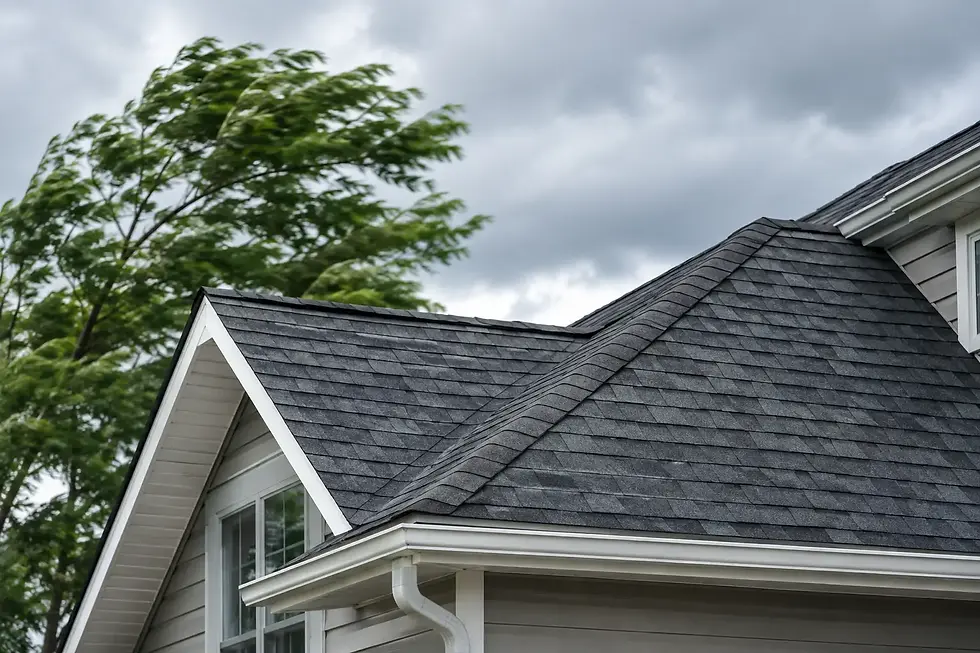
In storm-prone areas, this is one of the first places to look. If the roof was damaged by wind, hail, or another covered event, your insurance policy may pay for part or all of the replacement, depending on the claim, deductible, roof age, and policy terms.
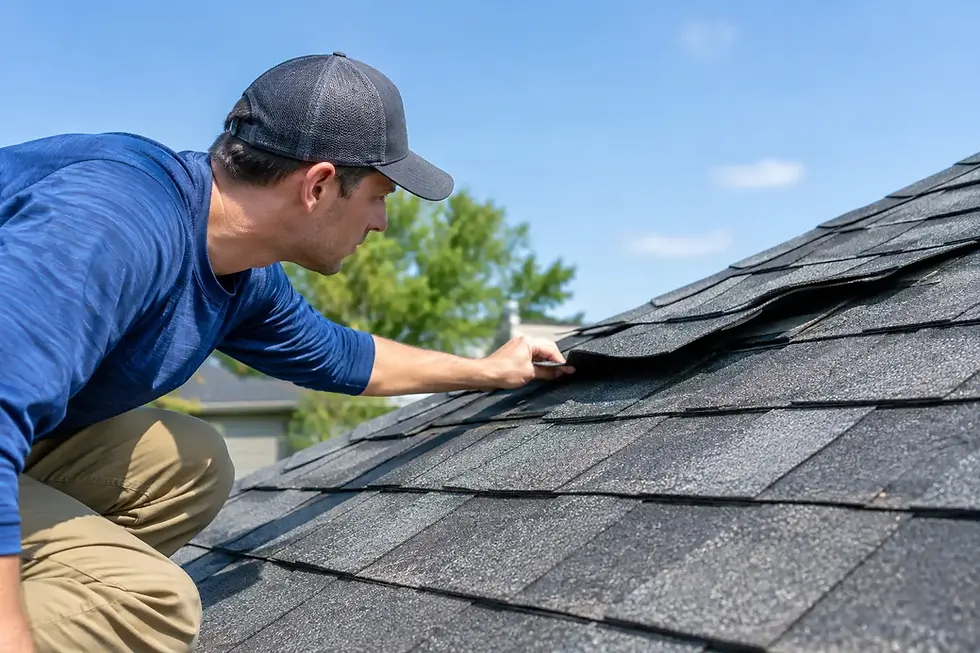
That does not mean every old or leaking roof qualifies. Insurance generally covers sudden covered damage, not wear and tear or neglect. Still, if recent weather may have caused the problem, it is worth documenting the condition and asking for a professional roof inspection before you assume the full bill is yours.
When insurance covers only part of the project, financing can help bridge the gap between the claim payout and your out-of-pocket cost. That may include the deductible, code upgrades not fully covered, or material choices above the base allowance.
Contractor financing is often the most direct option
For many property owners, contractor financing is the simplest answer to how to finance a new roof. Instead of securing funds separately through a bank or credit union, you apply through financing programs offered through the roofing company or its lending partners.
The biggest advantage is speed. You can often pair the estimate, financing review, and project scheduling in one process. That matters when your roof is already compromised and you need a clear path forward.
Contractor financing can also be easier to manage because the loan amount is built around the actual scope of work. You are not guessing how much to borrow, and you can compare monthly payment options based on the estimate in front of you.
The trade-off is that terms vary. Some plans offer promotional periods, while others carry higher rates depending on credit profile and loan length. Read the details carefully. A low monthly payment can still become expensive if the repayment window is long or deferred interest applies.
Personal loans can work for fast funding
An unsecured personal loan is another common route. These loans do not require home equity, and approval can move quickly if your credit and income are solid.
This option tends to work best for mid-range roof projects where the borrower wants fixed monthly payments and a predictable end date. It is also useful for newer homeowners who may not have enough equity for other financing options.
The downside is cost. Interest rates on personal loans are often higher than secured options, especially for borrowers with average credit. Loan limits may also be lower than what is needed for a large commercial roof or a premium residential system.
Home equity options can lower borrowing costs
If you have built up equity, a home equity loan or home equity line of credit may offer lower rates than unsecured borrowing. Because the loan is tied to your property, lenders often price it more favorably.
A home equity loan gives you a lump sum with fixed payments. A line of credit gives you more flexibility, which can help if the final roof cost may change once tear-off begins. Either way, this route can make sense for planned replacements rather than emergency jobs, since approval usually takes longer than contractor financing or personal loans.
The obvious trade-off is risk. Your home secures the debt. If cash flow is tight or your income is unpredictable, that added pressure may not be worth the lower rate.
Credit cards are usually a short-term tool, not a full strategy
Using a credit card for a roof replacement is rarely the best long-term plan unless the balance is small or you can pay it off during a true zero-interest promotional period. For emergency repairs or a deductible, it may be practical. For a full replacement, high variable interest can turn a roofing project into years of expensive revolving debt.
If you do consider this route, be honest about repayment speed. The convenience of a card is real, but so is the cost if the balance lingers.
For commercial properties, protect cash flow first
Commercial roof financing has a different goal. It is not just about affordability. It is about protecting operations, tenant satisfaction, and long-term asset value.
A leaking roof can affect inventory, office equipment, lease relationships, and maintenance budgets across the property. That makes financing less about convenience and more about business continuity. Many commercial owners choose financing because preserving working capital is more valuable than paying the whole project cost upfront.
In that setting, payment structure matters as much as total cost. A predictable monthly obligation can be easier to manage than a sudden large capital expense, especially when multiple properties compete for budget.
What to look for before you sign anything
Financing only works if the roof itself is worth financing. That means looking beyond payment offers and focusing on the contractor, the installation plan, and the warranty protection behind the system.
Ask what is included in the estimate, how change orders are handled, what workmanship warranty is provided, and whether the roofing system has meaningful manufacturer-backed protection. In storm-heavy parts of the Mid-South, wind coverage matters more than many people realize. A long warranty is only valuable if it is clear, credible, and attached to quality installation.
This is where working with a licensed, bonded, and insured contractor makes a real difference. If a company offers financing but cuts corners on materials, labor, or follow-through, the monthly payment can become the least of your problems.
The best financing choice is the one that solves the whole problem
If you are comparing options, do not focus only on approval speed or the lowest monthly number. Look at the full picture: the roof's urgency, the total repayment cost, the contractor's reputation, and the warranty that comes with the work.
For some property owners, the best move is using insurance plus financing to reduce out-of-pocket strain. For others, it is a home equity product with a lower rate. And for many, contractor financing is the cleanest path because it keeps the project moving without adding unnecessary delays.
A new roof is a major investment, but waiting too long can make it a much bigger one. If you need real numbers, a clear scope of work, and payment options that make sense, start with a professional estimate from a contractor you trust. A company like Price Contracting Solutions can help you look at the roof, the budget, and the long-term protection together so you can make a decision with confidence, not pressure.
The right financing plan should leave you with more than a new roof. It should leave you with peace of mind every time the weather turns.

Comments