

GAF Timberline Shingle Review - Worth It?
A roof can look great on installation day and still leave a homeowner exposed when the first hard wind pushes through. That is why a useful GAF Timberline shingle review has to go beyond color samples and curb appeal. Homeowners need to know how the shingles perform in real weather, what the warranty actually covers, and whether the installation quality matches the product.
GAF Timberline shingles are among the most recognizable architectural shingles in the country. They are a popular choice for homeowners who want a dimensional, higher-end appearance without moving into the cost of metal, slate, or premium designer roofing. For many properties across Memphis, West Tennessee, Northeast Arkansas, and North Mississippi, they can be a strong fit. The right answer still depends on your roof design, storm exposure, budget, and contractor.
What You Get With GAF Timberline Shingles
Timberline is GAF's architectural asphalt shingle family. Unlike basic three-tab shingles, architectural shingles are built with layered construction that creates depth, shadow lines, and a more substantial appearance. That fuller profile is one reason Timberline products are frequently selected for homes where appearance matters as much as practical protection.
The line includes several options. Timberline HDZ is often the standard choice for a dependable architectural roof. Timberline UHDZ is positioned for homeowners seeking a more pronounced dimensional look and upgraded features. There are also specialty options designed around impact resistance, solar reflectivity, or distinctive color and design preferences.
That variety is helpful, but it can also make quotes hard to compare. A price for one Timberline product is not automatically comparable to another. Ask which exact shingle is being proposed, what accessories are included, and whether the contractor is replacing the full roofing system rather than only the visible shingles.
GAF Timberline Shingle Review: The Real Benefits
The strongest case for Timberline shingles is balance. They deliver a familiar architectural look, broad color availability, and dependable mainstream performance at a price point many homeowners can work with. They are not the cheapest option on the market, but they generally provide a meaningful step up from entry-level three-tab roofing.
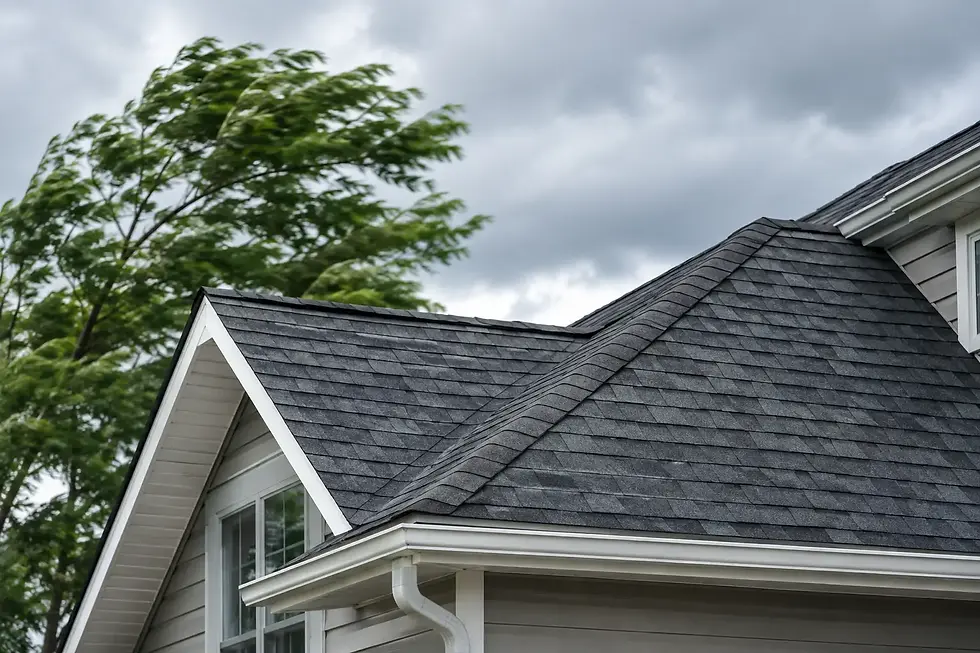
For storm-prone areas, wind resistance is a major consideration. Many Timberline products are designed for enhanced wind performance when installed according to GAF requirements and used with qualifying components. That wording matters. Wind ratings are not a blanket promise that no storm can damage a roof. Wind can lift shingles when installation details, ventilation, decking condition, flashing, or surrounding debris create weak points.
The appearance is another advantage. Timberline's dimensional profile can improve curb appeal without making a house look overly stylized. Neutral blends suit traditional homes, while darker shades can give a newer home a sharper, more modern contrast. The best color is one that works with the brick, siding, trim, and the heat exposure of the property - not simply the darkest sample on a showroom board.
Availability also matters after a storm. GAF is a large, established manufacturer, which can make product selection and local contractor familiarity easier than with a niche brand. It does not guarantee a perfect color match years later, but it can give homeowners more confidence than choosing an obscure product with limited regional support.
Where Timberline May Fall Short
No asphalt shingle is indestructible, including a premium architectural shingle. Hail, falling limbs, poor attic ventilation, and severe wind events can damage even a properly installed roof. If your neighborhood has frequent hail claims or your property sits in an unusually exposed location, an impact-resistant Timberline option may deserve a closer look. It will typically cost more up front, so the decision should be based on actual local risk and insurance considerations rather than a sales pitch alone.
Cost is the other trade-off. Timberline shingles are commonly priced above basic shingles, and upgraded versions can move the project further into premium territory. That difference may be worthwhile when you factor in appearance, potential wind performance, and warranty eligibility. But it is only value if the full project is installed correctly.
Some homeowners also expect architectural shingles to last exactly as long as the longest warranty language they see. Roofing life is influenced by sun exposure, attic heat, drainage, tree cover, maintenance, and weather. A long warranty is valuable protection, but it should not be confused with a guaranteed service life under every condition.
The Warranty Question Homeowners Should Ask First
GAF warranty options can be a real benefit, especially when a complete GAF roofing system is installed by an eligible contractor. The details can be confusing because warranties may vary by product, system components, contractor certification, and registration requirements.
Before approving a proposal, ask for the warranty in writing and review four points: what materials are covered, how long workmanship coverage lasts, what conditions apply to wind coverage, and what is excluded. Manufacturer coverage generally addresses defects in roofing materials. Workmanship coverage addresses installation-related issues, and that is where the contractor's qualifications and accountability become critical.
A homeowner should also understand whether the quote includes the components that help the roof work as a system. Underlayment, starter strips, ridge cap shingles, intake ventilation, exhaust ventilation, flashing, and proper fasteners are not minor details. They affect water shedding, wind performance, warranty eligibility, and how long the roof holds up.
Price Contracting Solutions is GAF certified and backs qualifying roofing work with warranty protection designed for the storm concerns local property owners face, including up to a 50-year roofing system warranty and a 15-year wind warranty with free wind damage repairs. Coverage depends on the installed system and project terms, so a clear written proposal is always the right place to start.
Installation Matters More Than the Brand Name
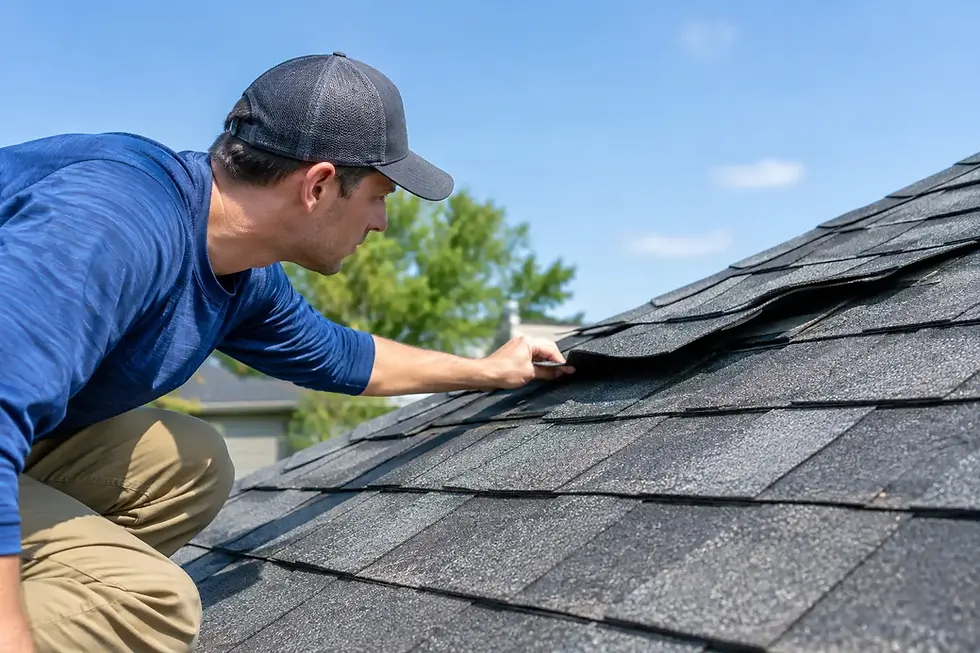
A quality shingle installed poorly is not a quality roof. The most common trouble spots are rarely the center of an open roof field. Problems often begin around chimneys, valleys, skylights, pipe boots, wall transitions, and ventilation details. These areas require careful flashing and attention to manufacturer specifications.
A trustworthy roofing proposal should explain what happens if damaged decking is found after tear-off. It should also state whether old materials will be removed, how landscaping and driveways will be protected, and how cleanup will be handled. A low price that skips these conversations can become expensive once work begins.
For rental owners and commercial property managers, communication is just as valuable as material selection. You need a contractor who can document the condition of the roof, explain repair versus replacement options, coordinate around occupants, and provide a clean record of the completed work. Timberline may be the product on the roof, but the contractor determines much of the experience.
Is GAF Timberline Worth the Cost?
For many homeowners, yes. GAF Timberline is a sensible choice when you want a proven architectural shingle, attractive color options, and the opportunity for strong system-based warranty coverage. It is particularly compelling for owners replacing an aging three-tab roof or preparing a home for sale while still wanting a roof that looks substantial and professionally finished.
It may not be the best choice for every property. A homeowner seeking the longest possible lifespan may compare metal roofing. A building with a very low slope may need a different roofing system entirely. An owner in a hail-heavy area may decide an impact-resistant product has greater long-term value. Those are not reasons to dismiss Timberline. They are reasons to match the product to the property instead of choosing solely by brand name or lowest bid.
The best next step is to have a qualified local roofer inspect the roof, attic ventilation, flashing, and storm exposure before selecting a shingle. A free, detailed quote should make the decision easier: clear product name, clear scope, clear warranty, and no surprises after the crew arrives.

Comments