
How to Maintain a Commercial Roof Year-Round
A commercial roof rarely fails without leaving clues. A clogged drain, lifted flashing seam, soft spot in the membrane, or water stain inside can turn into a costly disruption when it is ignored. Knowing how to maintain a commercial roof gives property owners and managers a practical way to protect tenants, inventory, operations, and the building budget before a small problem becomes an emergency.
In Memphis and throughout the Mid-South, commercial roofs deal with intense summer heat, heavy rain, wind, hail, and sudden temperature shifts. That combination puts stress on every roof system, whether your building has TPO, PVC, EPDM, modified bitumen, metal, or a built-up roof. A consistent maintenance plan is not busywork. It is one of the clearest ways to extend roof life and avoid unexpected replacement costs.
How to Maintain a Commercial Roof With a Schedule
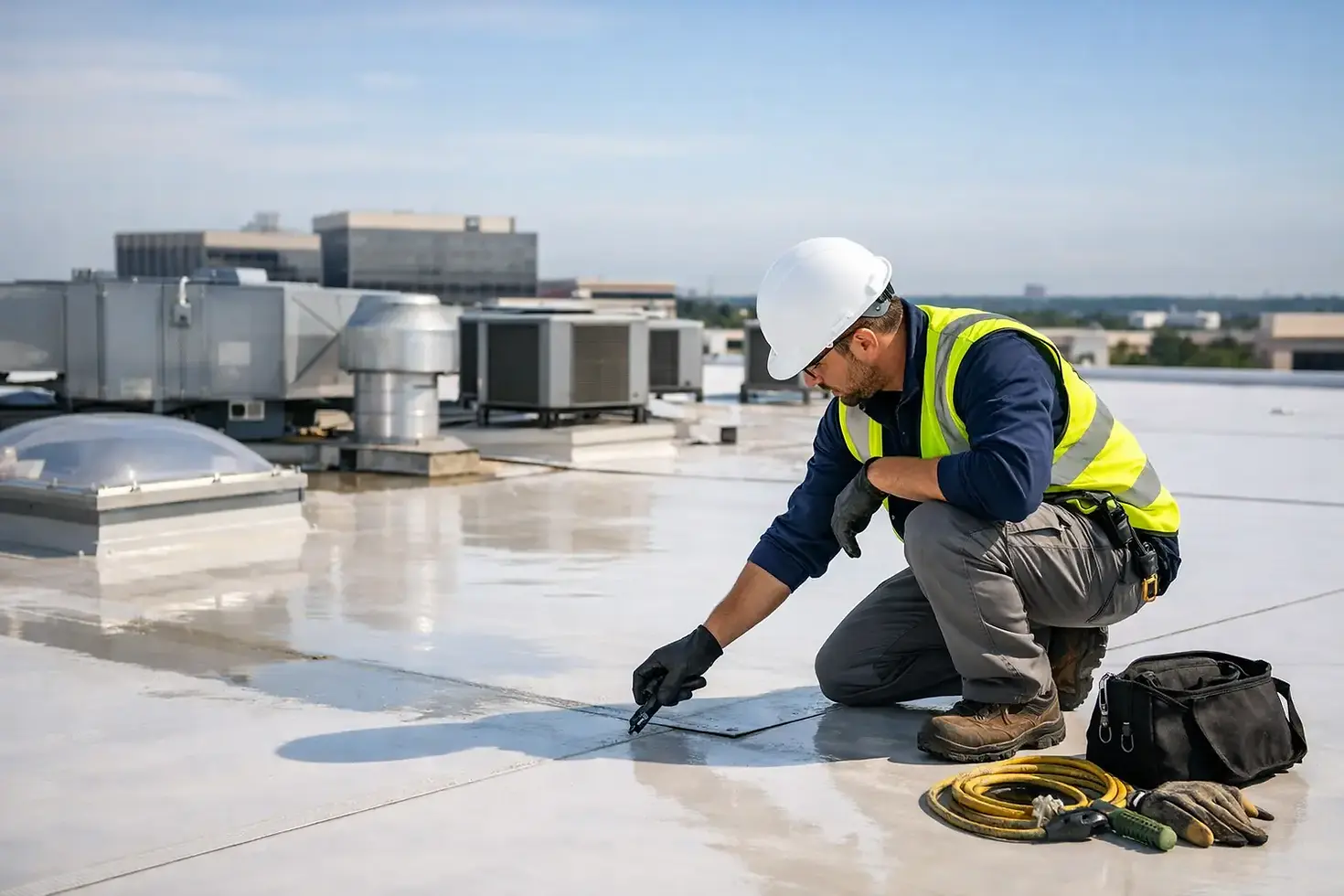
The best maintenance plan is simple enough to follow. Most commercial properties should have a professional roof inspection at least twice each year: once after winter and once after the hottest part of summer. You should also schedule an inspection after major wind, hail, or heavy-rain events.
Spring inspections help uncover damage from winter weather and give you time to address drainage issues before storm season. Fall inspections identify heat-related wear, failed sealants, and loose components before cooler, wetter conditions arrive. Roofs with heavy foot traffic, rooftop HVAC equipment, many penetrations, or known drainage concerns may need more frequent checks.
Do not wait for an interior leak to call a roofer. By the time water appears on a ceiling tile or wall, moisture may have already traveled beneath the roof surface, saturated insulation, or damaged structural components. Early repairs are usually faster, less invasive, and far less expensive than restoring a roof after prolonged water intrusion.
Keep Drains, Gutters, and Scuppers Clear
Standing water is one of the most common threats to low-slope commercial roofing. Ponding water adds weight, speeds up material deterioration, encourages algae growth, and exposes seams and flashing to extended moisture. It can also point to a larger issue, such as inadequate slope, blocked internal drains, or a damaged drainage component.
Walk the roof safely after storms, if your facility procedures allow it, and look for leaves, branches, sediment, tennis balls, and other debris around drains and scuppers. Check gutters and downspouts at the same time. A drain can look clear at the surface while remaining blocked farther down, so slow drainage should be investigated rather than assumed to be normal.
Avoid using sharp tools that can puncture the membrane. A maintenance professional can clear drainage paths, inspect strainers, and determine whether persistent ponding requires a repair or a drainage upgrade. If water remains on the roof longer than 48 hours after normal weather conditions return, it deserves attention.
Protect the Roof Surface From Traffic and Damage
Commercial roofs are often treated like a shortcut to HVAC units, signage, satellite equipment, or exhaust systems. Every unnecessary footstep raises the risk of scuffs, punctures, split seams, and damaged flashing. This is especially true on single-ply membranes, where a small puncture can allow water into the assembly.
Limit roof access to trained personnel and contractors. Keep a log of who was on the roof, why they were there, and when they visited. When routine access is necessary, install designated walk pads that protect the membrane and create a safer route to equipment.
Ask HVAC, electrical, and other service providers to report any roof damage they notice while completing their work. They should not leave loose screws, panels, wire, packaging, or tools behind. Even small debris can puncture a roof over time or clog drainage during the next storm.
Inspect Flashing, Seams, and Roof Penetrations
Most commercial roof leaks happen at transitions, not in the open middle of the roof. Flashing around walls, parapets, vents, pipes, skylights, drains, curbs, and HVAC units must stay sealed as the building and roofing materials expand and contract.
During inspections, look for cracked or shrinking sealant, open seams, loose metal edge details, lifted membrane, rust, and damaged boots around pipes. On metal roofs, check fasteners, panel laps, exposed screw heads, and areas where coatings have worn thin. On modified bitumen or built-up roofs, watch for blisters, cracks, loose granules, and separated laps.
A trained commercial roofing contractor can tell the difference between normal aging and a condition that needs repair now. That distinction matters. Overreacting to every cosmetic change can waste money, but waiting on a failed seam can allow moisture to spread beneath a much larger section of roofing.
Respond Quickly After Wind, Hail, and Heavy Rain
Storm damage is not always obvious from the ground. Wind can loosen edge metal, lift membrane corners, break seals, and shift rooftop components. Hail may bruise insulation or damage a membrane even when it does not create a visible hole right away. Heavy rain can expose weak drainage and flashing details that looked fine during dry weather.
After a major weather event, document what you can safely see. Take dated photos of fallen branches, damaged rooftop equipment, displaced materials, ceiling leaks, and standing water. Then arrange a professional inspection as soon as possible. Clear documentation can support a future insurance claim and creates a baseline for tracking the condition of your roof.
Never send untrained staff onto a roof during unsafe conditions or immediately after a storm. Wet membranes, hidden damage, and wind exposure create real fall hazards. Safety comes first, and a qualified contractor has the equipment and experience to inspect the roof without creating more damage.
Fix Small Problems Before They Spread
A patch is not a maintenance strategy when the roof has widespread deterioration, but targeted repairs are valuable when the rest of the system is in good condition. The key is to make repairs with compatible materials and proper surface preparation. Caulk applied over wet, dirty, or failing roofing materials may look like a quick solution, but it often fails quickly and can complicate a later repair.
Common repairs include resealing penetrations, repairing seams, replacing damaged flashing, securing edge metal, correcting small punctures, and restoring localized areas of membrane damage. If leaks keep returning in different places, the roof may need a more detailed assessment. Moisture scanning, core samples, or infrared evaluation can help determine whether trapped moisture has spread below the surface.
The right choice depends on the roof's age, material, condition, maintenance history, and the building owner's plans. A roof with several useful years left may benefit from repairs or a restoration coating. A system with saturated insulation and recurring failures may be a better candidate for replacement. Honest recommendations should account for long-term value, not just the next rainstorm.
Maintain Records That Support Smarter Decisions
Roof maintenance gets easier when there is a clear paper trail. Keep inspection reports, photos, repair invoices, warranty documents, storm records, and notes about leaks in one accessible file. Record the location of every repair, including the date and the work completed.
These records help identify patterns. For example, repeated leaks near one rooftop unit may point to damaged flashing or excessive service traffic. Ongoing ponding in one area may reveal a drainage design issue. Good documentation also helps a new property manager, supports insurance conversations, and gives your roofing contractor a more accurate view of the roof's history.
Review your warranty requirements as part of this process. Some manufacturer warranties require periodic inspections, approved repairs, or specific maintenance practices. Ignoring those terms can create unnecessary disputes when you need coverage most.
Choose a Commercial Roofing Partner Before You Need One
Emergency calls are stressful because they force decisions under pressure. Establishing a relationship with a licensed, bonded, and insured commercial roofing contractor before a leak occurs gives you a clear contact, a maintenance plan, and a better understanding of your roof's condition.
Ask about commercial experience with your specific roof system, inspection reporting, repair capabilities, manufacturer certifications, safety practices, warranty options, and response times after storms. The lowest bid is not always the lowest cost if poor workmanship leads to repeat repairs, tenant complaints, business interruption, or voided warranty coverage.
Price Contracting Solutions helps commercial property owners across the Mid-South protect their buildings with practical inspections, quality repairs, and clear recommendations. A free roof assessment can give you a starting point, whether you need immediate attention after a storm or want a dependable maintenance plan for the years ahead.
Your roof protects every part of the operation below it. Treat it like the major business asset it is, and schedule the inspection before the next small warning sign has a chance to become a costly one.


Comments