

Commercial Roof Replacement Guide for Owners
A commercial roof rarely fails at a convenient time. A small leak above a retail floor, office suite, warehouse, or multifamily property can quickly become damaged inventory, unhappy tenants, safety concerns, and an expensive interruption to business. This commercial roof replacement guide helps property owners make a confident decision before minor roofing problems become major property losses.
Replacement is a significant investment, but it should not feel like a gamble. The right plan starts with an honest assessment of the roof, a system that fits the building, clear scope details, and warranty coverage that protects your budget after the crew leaves.
Know When Repair Is No Longer the Smart Move
Commercial roofs can often be repaired, especially when damage is isolated and the existing system still has useful life remaining. A qualified contractor should not push a full replacement when a targeted repair will solve the problem. But repeated repairs can become a costly cycle when the roof membrane, insulation, drainage, or flashing has reached the end of its service life.
Signs that replacement may be the better long-term option include recurring leaks in different areas, standing water that remains long after rain, cracked or shrinking membrane materials, loose seams, widespread blistering, deteriorated flashing, and rising repair costs. Interior signs matter too. Water stains, mold odors, damaged ceiling tiles, or moisture near electrical equipment should be addressed promptly.
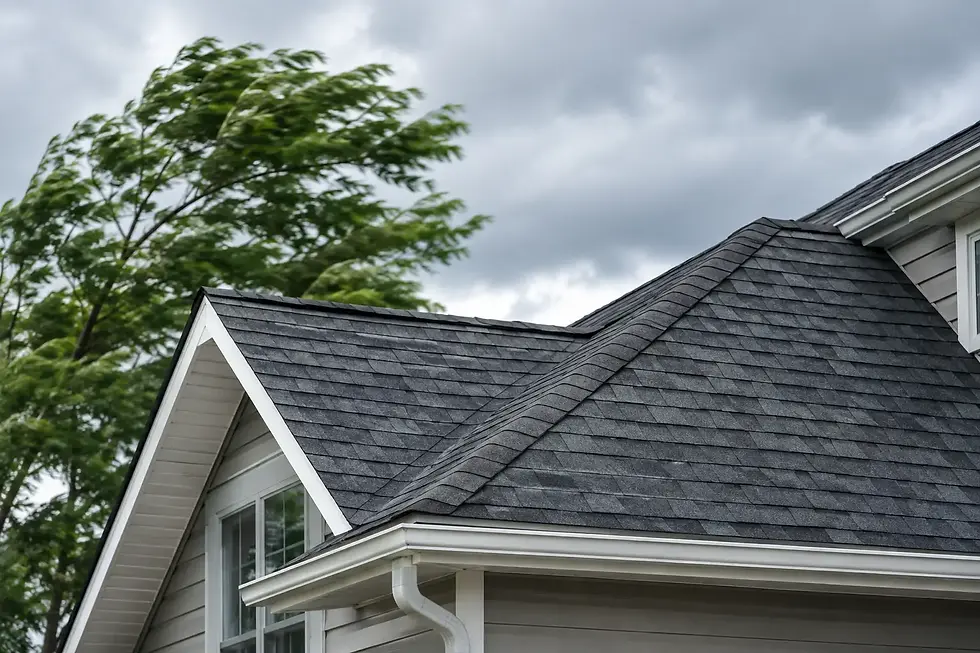
Storm exposure adds another layer of risk across Memphis, West Tennessee, Northeast Arkansas, and North Mississippi. High winds can lift edges, pull fasteners, and open seams that are not obvious from the ground. A professional inspection after a major storm can identify whether repair, insurance documentation, or replacement is the responsible next step.
Start With a Professional Roof Assessment
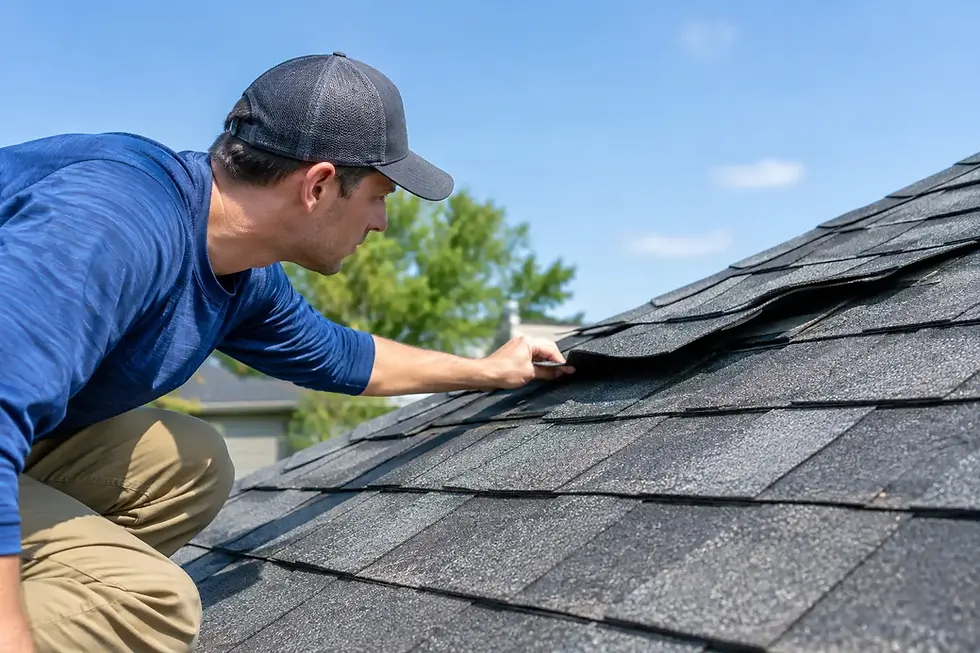
A replacement decision should be based on more than a quick walk around the building. The contractor should inspect the roof surface, seams, penetrations, drains, edge metal, flashing, and visible signs of moisture. They should also consider the roof deck, insulation condition, rooftop equipment, building use, and drainage patterns.
This assessment shapes the scope of work. For example, a roof with sound decking and dry insulation may be a candidate for a recover system, where a new roof is installed over the existing one. That can reduce tear-off costs and keep debris down. However, recover is not the right answer when trapped moisture, structural concerns, code requirements, or too many existing roof layers are present. In those cases, a full tear-off is the safer investment.
Ask for the findings in plain language. You should understand what failed, why it failed, and what the recommended system will do differently. A dependable contractor will explain the trade-offs instead of giving you a one-size-fits-all answer.
Choose the Right Commercial Roofing System
The best roofing material depends on your building, roof slope, budget, traffic level, and exposure to wind and ponding water. There is no single product that is right for every commercial property.
TPO Roofing
TPO is a popular single-ply option for many low-slope commercial roofs. Its light-colored surface can reflect heat, which may help manage cooling costs during hot Mid-South summers. It also offers welded seams designed to create a continuous weather barrier.
TPO quality can vary by manufacturer and installation method, so contractor workmanship matters as much as the material itself. Proper attachment, seam welding, flashing, and edge details determine how the roof performs during wind-driven rain.
PVC Roofing
PVC is another single-ply system with heat-welded seams. It is often considered for restaurants, commercial kitchens, and properties where grease or chemical exposure is a concern. PVC can be an excellent fit, but it may carry a higher upfront cost than other options.
EPDM Roofing
EPDM is a rubber roofing membrane commonly used on low-slope buildings. It has a long track record and can work well on certain properties. Because it is typically dark, it absorbs more heat than white reflective systems, which may influence the decision depending on building needs and energy goals.
Modified Bitumen and Built-Up Roofing
These asphalt-based systems can provide durable layered protection and may be a strong option for roofs that see regular maintenance traffic. They are not automatically better simply because they have multiple layers. The right installation details, drainage design, and maintenance plan remain critical.
For sloped commercial buildings, metal, shingles, or specialty systems may be appropriate. The key is matching the roof to the property rather than choosing based on the lowest bid or a product name alone.
Build a Scope That Protects the Building
A commercial roof replacement proposal should clearly describe more than the square footage and material type. It should spell out whether the existing roof will be removed or recovered, how wet insulation will be handled, what flashing and edge metal are included, and how drains, curbs, vents, skylights, and rooftop units will be sealed.
Drainage deserves special attention. Standing water can shorten the life of almost any low-slope roof. If water consistently ponds, replacement may be the best time to address tapered insulation, drain placement, crickets, or other solutions that move water off the roof more effectively.
The proposal should also address site protection and cleanup. On an occupied property, crews may need to coordinate around customer entrances, tenant access, parking, loading areas, and business hours. A good plan keeps the job organized while protecting people, landscaping, vehicles, and daily operations.
Compare Bids Beyond the Bottom Line
The lowest number is not always the lowest cost. A bid may look attractive because it leaves out insulation replacement, edge metal, permits, deck repairs, disposal, or warranty coverage. Those omissions can create change orders later or leave the building with weak points that shorten the roof's life.
When comparing contractors, look at the complete value offered: licensing, insurance, manufacturer certifications, experience with your roof type, project supervision, customer reviews, written scope, and warranty terms. Ask who will be accountable if a leak develops after installation and how quickly service issues are handled.
Price Contracting Solutions brings the local accountability commercial owners need, backed by licensed, bonded, and insured service, GAF certification, and warranty protection built for long-term peace of mind. A roofing contractor should be easy to reach before, during, and after the project, especially in a storm-prone region.
Plan for Operations, Tenants, and Weather
Roof replacement is construction work, and it requires coordination. Before the project begins, identify tenant notices, restricted work hours, access routes, equipment staging areas, and protection for sensitive interior spaces. If your building contains medical offices, restaurants, schools, inventory storage, or electronics, communicate those needs before the schedule is set.
Weather can affect timing as well. Roofing crews monitor rain, wind, and temperatures because exposed areas must be protected during the installation process. A reliable contractor will not take shortcuts to force progress during unsafe or unsuitable conditions. Clear communication matters more than a rushed promise.
You should also discuss what happens if hidden deck damage is uncovered. Some repairs cannot be confirmed until old roofing materials are removed. The contract should explain how these conditions are documented, priced, and approved so there are no surprises.
Treat the Warranty as Part of the Roof System
A warranty is only valuable when you understand what it covers. Manufacturer warranties may cover material defects, while workmanship warranties address installation-related issues. Some warranties have requirements for inspections, maintenance, approved accessories, or specific installation methods.
Ask how long the workmanship coverage lasts, whether wind damage is included, what actions could void coverage, and whether warranty transfer is available if the property is sold. Long-term protection can make a higher-quality system a better financial decision than a lower-cost roof with limited coverage.
A strong commercial roof is not just a surface material. It is a complete system of membrane, insulation, flashing, drainage, fasteners, edge details, and professional installation. Weakness in any one of those areas can affect performance.
Get a Clear Replacement Plan Before Damage Spreads
Do not wait for a ceiling leak to decide whether your roof needs attention. An inspection and detailed quote give you time to compare options, budget responsibly, and schedule work around your operations instead of reacting to an emergency.
If your commercial property has recurring leaks, visible storm damage, or a roof approaching the end of its expected life, request a professional assessment and ask direct questions. The right replacement plan should leave you with a dry building, clear warranty protection, and confidence every time the next storm rolls through.

Comments