
Cool Roofs for Southern Homes and Businesses
A dark roof can become one of the hottest surfaces on your property during a Memphis summer. That heat does not stay outside. It moves into the attic, puts more pressure on insulation and ventilation, and can make upper rooms harder to keep comfortable. Cool roofs offer a practical way to reduce that heat load by reflecting more sunlight and absorbing less solar energy.
For homeowners and commercial property owners, the appeal is straightforward: a roof that helps manage heat can support better comfort, lower cooling demand, and longer-term protection for the building below. But a cool roof is not automatically the right answer for every property. The roofing material, slope, attic condition, local weather, and condition of the existing roof all matter.
What Makes a Roof a Cool Roof?
A cool roof is designed with a highly reflective surface or coating. Instead of absorbing most of the sun's energy like a traditional dark roof, it reflects a larger share back into the atmosphere. Many cool roofing materials also release absorbed heat more effectively, a quality known as thermal emittance.
This does not mean every cool roof is bright white. White membranes and coatings are common on low-slope commercial buildings, but residential roofing has more options. Certain shingles, metal panels, tile products, and reflective coatings are available in lighter colors and specially engineered finishes that can improve solar reflectance without forcing every homeowner into a stark white roof.
The goal is simple: keep the roof surface cooler when the sun is beating down. A cooler roof surface can reduce the amount of heat entering the attic or top floor, especially on buildings with limited insulation, inadequate ventilation, or large exposed roof areas.
Why Cool Roofs Matter in Our Climate
Memphis, West Tennessee, Northeast Arkansas, and North Mississippi see long stretches of heat, humidity, intense sun, and severe weather. Air conditioning systems work hard for months at a time, and a heat-soaked roof can add to the strain.
On a residential home, the biggest difference may be felt in second-floor bedrooms, bonus rooms, and spaces directly below the attic. On a commercial building with a wide, low-slope roof, the effect can be even more noticeable because so much of the structure is exposed to direct sunlight throughout the day.
Cool roofs can help reduce heat transfer, but they are not a replacement for a complete roofing system. A new roof still needs proper underlayment, flashing, drainage, ventilation where applicable, and skilled installation. If wind-driven rain can reach weak flashing or damaged roof penetrations, reflectivity will not solve the real problem. In a storm-prone region, weather protection must come first.
Potential Energy and Comfort Benefits
A cooler roof may reduce the cooling load on a building, particularly during peak afternoon heat. Actual energy savings vary widely. A well-insulated home with mature shade trees may see a smaller change than a building with poor attic insulation and a broad, unshaded roof.
Still, lowering roof temperatures can create meaningful benefits beyond the utility bill. Less extreme heat in the attic may help protect HVAC equipment and ductwork located there. It can also make indoor temperatures more consistent in rooms closest to the roofline.
For commercial owners and property managers, cool roof systems can support more predictable operating costs and improve comfort for tenants, employees, or customers. For homeowners, the value often comes down to getting more out of the air conditioning system they already own.
The Best Cool Roofing Options Depend on Your Building
There is no one-size-fits-all material. The right option depends heavily on whether the roof is steep-slope or low-slope, how much remaining life the current roof has, and what the property needs most from its next roofing investment.
Reflective Shingles for Homes
For many homes, reflective asphalt shingles are the most natural path. They maintain the familiar appearance homeowners expect while offering colors and granule technology that can reflect more sunlight than standard dark shingles.
This option can make sense when a roof is already due for replacement because of age, storm damage, curling, missing shingles, or repeated repairs. The best time to consider a cool roof is usually before the material is selected, not after installation is complete.
A homeowner should not choose shingles based on color alone. The roofing system must be built to handle local wind, rain, and changing temperatures. Material selection should also fit the home's style, neighborhood requirements, roof slope, and budget.
Metal Roofing
Metal roofing can be an effective cool roof choice, especially when finished with a reflective coating or lighter color. It sheds water efficiently, can provide a long service life, and gives homes, barns, and commercial properties a clean, durable appearance.
The trade-off is upfront cost. Metal often costs more than asphalt shingles, and installation quality matters greatly around fasteners, transitions, valleys, and penetrations. A low bid that cuts corners can turn a premium material into an expensive repair issue.
Coatings and Membranes for Low-Slope Roofs
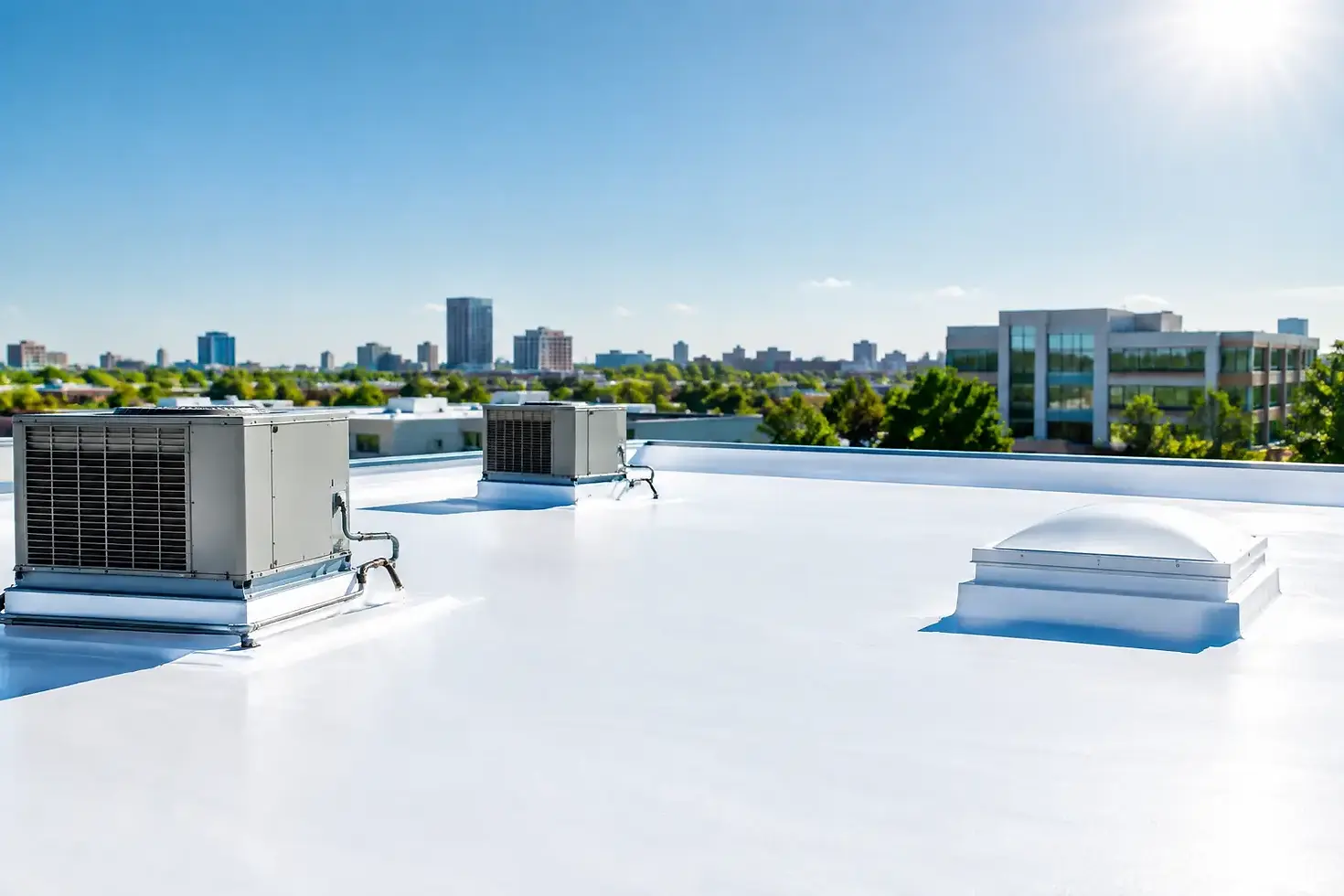
Many commercial buildings use low-slope roofing systems where reflective membranes or roof coatings are especially practical. White single-ply membranes and properly specified coatings can reflect substantial solar heat while protecting the roof surface.
A coating is not a shortcut for every aging roof. The existing roof must be evaluated for moisture, trapped water, failing seams, deteriorated insulation, and structural concerns before a coating is considered. Applying a reflective coating over active leaks or saturated materials only hides the problem temporarily.
The Trade-Offs Property Owners Should Know
Cool roofs perform best during hot weather, which makes them appealing in the Mid-South. However, there are reasonable trade-offs to consider. A highly reflective roof can slightly reduce helpful solar heat gain during winter, though this effect is typically less significant in a climate with heavy summer cooling demand.
Appearance is another factor. Some homeowners prefer deep charcoal, black, or dark brown roofing because it complements brick, siding, or trim. A lighter or specially reflective shingle may offer energy advantages, but curb appeal still matters. The right choice is often a balance between color, performance, warranty coverage, and budget.
Maintenance also depends on the roof type. Light-colored commercial roofs can show dirt, standing-water stains, or biological growth more visibly. Reflective coatings need periodic inspection, and any roof still needs prompt attention after hail, high winds, fallen limbs, or severe storms.
Start With the Condition of the Roof You Have
Before choosing a cool roof, get a professional assessment of the full system. Look for damaged shingles, soft decking, granule loss, worn pipe boots, lifted flashing, clogged drainage paths, and signs of attic moisture. If the existing roof is in good condition, improvements to attic insulation or ventilation may deliver better value than a premature replacement.
If replacement is needed, ask practical questions. Which materials are appropriate for the roof slope? How will the system handle wind? What warranty protection comes with the materials and workmanship? Is the attic properly ventilated? Will the proposal address flashing and drainage details instead of only listing shingles or panels?
These questions help separate a complete roofing solution from a surface-level estimate. A roof should look good on day one and keep protecting the property after the next hard storm.
Choose a Roofing Partner Who Plans for the Long Term
Cool roofing decisions should never be made on price alone. The lowest estimate can become the costliest choice if it leaves out essential components, uses incompatible materials, or provides little protection when problems arise.
Price Contracting Solutions helps homeowners and commercial property owners evaluate roofing options with the full property in mind. As a family-owned, licensed, bonded, and insured contractor, the team focuses on dependable installation, clear recommendations, and warranty protection built for local weather conditions. When a new roof is the right move, asking about reflective options is a smart way to plan for both summer heat and long-term value.
The best roof for your property is the one that fits the building, protects against the weather, and gives you confidence every time the forecast turns hot or stormy.


Comments