
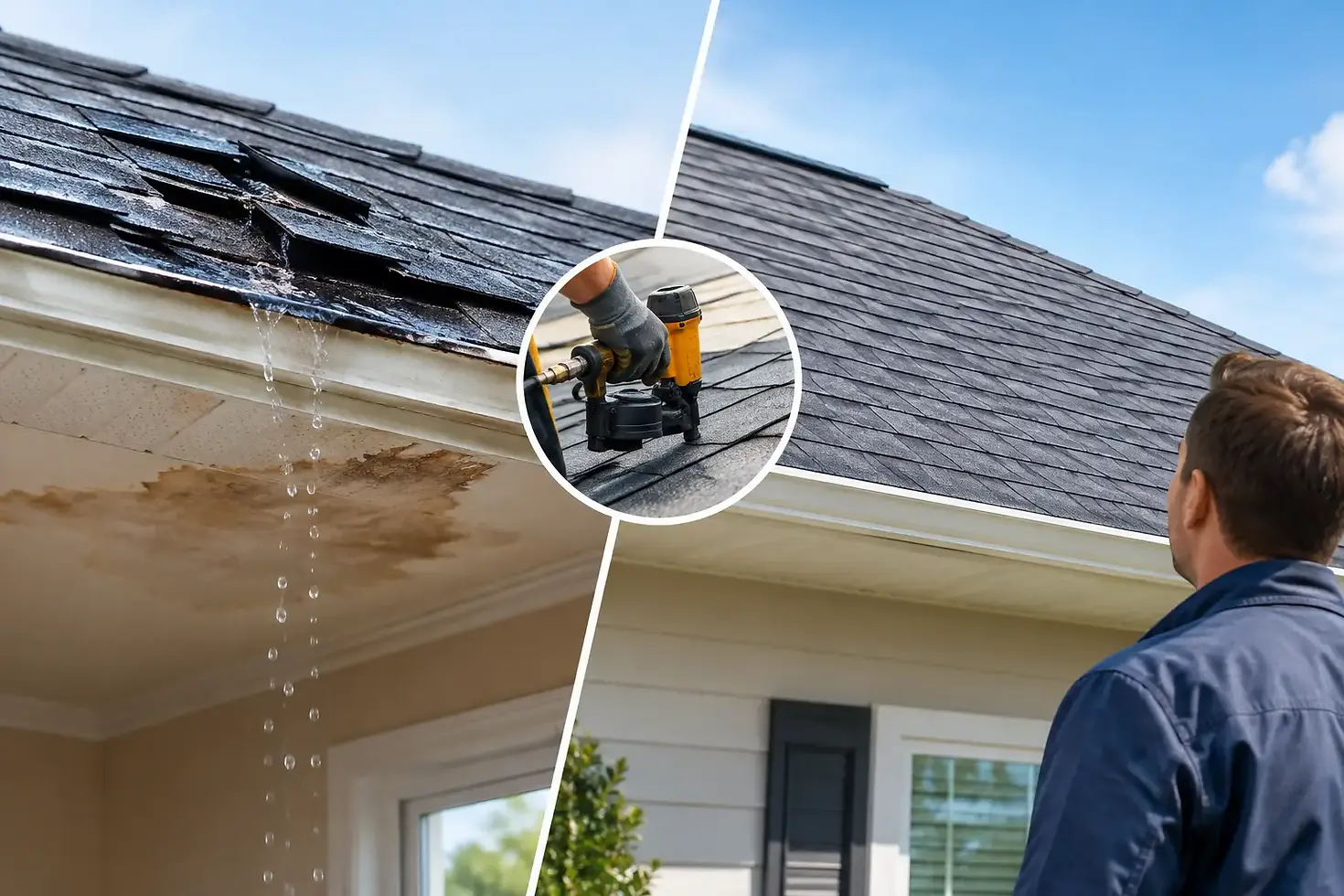
Storm Repair Example: From Leak to Lasting Roof
A storm does not have to tear half the roof away to create a serious problem. One lifted shingle, a damaged pipe boot, or wind-driven rain at a flashing point can let water into the decking and attic. This storm repair example shows what a responsible repair process can look like, from the first call after severe weather to a finished roof that is built to hold up.
For homeowners and property owners across Memphis, West Tennessee, Northeast Arkansas, and North Mississippi, the right response is not guessing at the damage or covering it with a tarp and hoping for the best. It is getting a clear inspection, honest recommendations, documented work, and protection that lasts beyond the next weather alert.
A Storm Repair Example After High Winds and Rain
Picture a homeowner who notices a brown ceiling stain in an upstairs bedroom two days after a line of thunderstorms moves through. The roof is only several years old, so there are no obvious missing shingles from the street. Still, the stain is new, and the homeowner knows water has found a path inside.
A professional inspection starts with the full roof system, not just the spot above the stain. The contractor checks shingle tabs for wind lift, exposed or backed-out fasteners, ridge caps, valleys, pipe penetrations, wall flashing, gutters, and the roof decking where it can be safely viewed. The attic inspection matters too. It can reveal wet insulation, active drips, darkened decking, or signs that moisture has been entering for longer than the owner realized.
In this example, the inspection finds wind-damaged shingles near a plumbing vent, cracked sealant around the boot, and a small area of wet decking beneath it. The roof does not need a full replacement. That is good news, but it does not make the repair minor. Leaving damaged decking or simply applying sealant over the issue would invite another leak.
The repair plan includes removing the affected shingles, replacing compromised decking, installing a new pipe boot and properly integrated flashing, and matching replacement shingles as closely as available. The crew also checks surrounding shingles to make sure the repair ties into sound material, rather than creating a weak spot at the edge of the work.
That is the difference between a patch and a real storm repair. A patch may hide the symptom. A proper repair addresses the path water used to enter.
What a Reliable Storm Repair Process Should Include
Storm damage can look different on every property, but the process should be clear. You should know what was found, what needs to be repaired, why it matters, and what the work will cost before the project starts.
First comes a careful inspection. Wind damage is not always visible from the ground, and hail marks can be confused with normal wear by an untrained eye. A qualified roofing contractor should identify the specific damage, assess the condition of nearby materials, and explain whether repair or replacement is the better value.
Next comes documentation. Photos of affected areas help homeowners understand the recommendation and can be useful when speaking with an insurance carrier. If you plan to file a claim, report the damage promptly and keep records of dates, weather events, temporary protection, estimates, and any conversations related to the claim. Your insurance company determines coverage, but clear evidence helps avoid confusion.
Then comes the scope of work. A dependable proposal should spell out the materials and labor involved. For a roof repair, that may include shingle removal, decking replacement, underlayment, flashing, ventilation components, sealants, debris removal, and cleanup. The lowest number is not always the lowest cost if it excludes the steps that keep water out.
Finally, the crew completes the repair with attention to the surrounding roof system. Roofing materials overlap and interlock for a reason. A replacement shingle, flashing piece, or underlayment section has to be installed in the correct sequence to shed water correctly during the next hard rain.
Repair or Replacement? The Answer Depends on the Damage
A storm repair is often the smart choice when damage is limited to a defined area and the remaining roof is in good condition. Replacing a few wind-damaged shingles, repairing flashing, or correcting a leak around a vent can extend the life of a roof without forcing a larger project before it is necessary.
A replacement may be the better call when damage is widespread, shingles are brittle or near the end of their service life, leaks appear in several locations, or hidden moisture has compromised large sections of decking. Commercial roofs require the same practical judgment. A puncture or failed seam may be repairable, while recurring leaks across an aging system can point to a larger issue.
Be cautious with anyone who promises a full replacement before inspecting the property, just as you should be cautious with anyone who says a leak only needs caulk without checking beneath the surface. The right recommendation is based on the roof in front of you, not a one-size-fits-all sales pitch.
Why Small Storm Damage Should Not Wait
Water rarely stays in one place. A small roof opening can wet insulation, stain ceilings, soften wood decking, and create conditions for mold growth. It can also travel along framing before appearing indoors, which means the ceiling stain you see may not sit directly under the damaged roofing area.
Wind damage deserves equal attention. A shingle that has lifted but settled back down may look normal from the yard. Yet its seal can be broken, leaving it more vulnerable to future wind and rain. With the severe weather common in this region, delayed maintenance can turn a manageable repair into a more expensive restoration project.
If conditions are unsafe, do not climb onto the roof to investigate. Stay clear of downed power lines, keep people away from active leaks near electrical fixtures, and use a bucket or safe indoor containment measure until help arrives. Temporary protection has its place, but it should be followed by a professional assessment as soon as possible.
Questions to Ask Before You Hire a Storm Repair Contractor
Trust matters most when your property is exposed and you need answers quickly. Ask whether the contractor is licensed, bonded, and insured. Confirm who will perform the work, what materials will be used, and whether the estimate includes cleanup and disposal.
You should also ask about workmanship coverage and manufacturer-backed warranty options. A warranty is not a substitute for correct installation, but strong coverage can reduce the risk of paying twice if a covered issue arises later. For wind-prone properties, ask how wind damage is addressed and get the details in writing.
Price Contracting Solutions brings family-owned accountability to roofing and exterior projects, with professional credentials, clear estimates, and warranty protection designed for the weather concerns local property owners face. A repair should leave you with more confidence in your roof, not more questions about what was skipped.
Protect the Roof Before the Next Storm
The best time to find a weak flashing point or loose shingle is before water reaches the living space. After a major storm, look from the ground for missing shingles, debris, bent gutters, granules near downspouts, or branches resting on the roof. Inside, watch for new stains, peeling paint, musty odors, or moisture around attic insulation.
If you see a concern, request a professional inspection and free quote while the details are fresh. A clear diagnosis now can protect your home or commercial property, preserve its value, and keep one storm repair from becoming a much bigger problem.


Comments