

Best Time for Roof Replacement
A roof rarely fails on a convenient schedule. One week it looks fine from the driveway, and the next you notice missing shingles, a ceiling stain, or granules collecting in the gutter. When that happens, one of the first questions property owners ask is the right one: what is the best time for roof replacement?
The honest answer is that the best time depends on your roof’s condition, the weather, and how quickly you need to stop damage from spreading. Still, for most homes and commercial properties, there are seasons that make planning easier, installation more predictable, and scheduling less stressful.
What Is the Best Time for Roof Replacement?
For many property owners, fall is often considered the best time for roof replacement. Temperatures are usually moderate, roofing materials tend to perform well during installation, and crews can work more consistently without the extreme heat of summer or the weather swings of winter.
That said, the calendar should never outrank the condition of your roof. If your roof is leaking, sagging, missing large sections of shingles, or showing storm damage, waiting for the "perfect" season can cost far more than moving forward now. Water intrusion does not stay neatly contained. It can spread into decking, insulation, drywall, and even electrical systems.
A better way to think about timing is this: the ideal season helps you plan, but the actual condition of the roof determines urgency.
Why Fall Often Works Best
Fall gives roofing crews a practical balance. Shingles are easier to handle in moderate temperatures, seal strips can adhere properly, and there is often less interruption from severe summer heat. Homeowners also like that a new roof goes into winter with fresh protection in place.
In areas like Memphis, West Tennessee, Northeast Arkansas, and North Mississippi, that matters. Roofs in this region take a beating from wind, storms, humidity, and heat. Replacing a worn roof before winter weather and seasonal storms add more stress can be a smart move.
There is one trade-off. Fall is popular, which means schedules can fill up fast. If you wait until the season is already busy, you may have fewer options for timing. Planning ahead is what makes fall valuable.
Spring Roof Replacement Has Real Advantages
Spring is another strong option, especially if your roof came through winter in rough shape. It is a common season for inspections because property owners finally get a clear look at what colder weather, moisture, and wind may have done.
If there are cracked shingles, flashing issues, or signs of aging that worsened over winter, spring can be the right time to act before summer storms arrive. It also gives you time to address roof replacement before peak heat sets in.
The catch is weather volatility. Spring can bring frequent rain, wind, and storm systems that interrupt scheduling. A good contractor can plan around that, but flexibility matters.
Summer Can Be Smart - With the Right Timing
Some owners assume summer is the automatic best time for roof replacement because the days are longer and school schedules are easier for families. In many cases, summer works well. Dry stretches can help projects move quickly, and long daylight hours give crews more time to complete larger jobs.
But summer comes with its own challenges, especially in the Mid-South. Extreme heat can make attic temperatures brutal, affect crew comfort, and create tougher working conditions during the hottest parts of the day. Very high temperatures can also affect how materials are handled on the roof.
Early summer is usually the safer bet than the hottest stretch of late July or August. If you want a summer project, booking before the rush can make a big difference.
Winter Is Not Ideal, but It Is Not Off the Table
Winter is usually the least popular season for planned roof replacement, but that does not mean it cannot be done. In some cases, winter scheduling may even be easier because demand is lower. If weather conditions cooperate, a qualified contractor can still replace a roof safely and correctly.
The issue is unpredictability. Cold temperatures can affect certain roofing materials, and winter weather can delay installation. For planned replacements, many owners prefer to avoid those variables.
Still, if your roof is failing, winter is not the season to gamble with interior damage. Emergency replacement is always better than letting a bad roof create bigger problems.
The Best Time for Roof Replacement Depends on Your Roof, Too
Season matters, but roof condition matters more. If you notice active leaks, widespread shingle loss, soft spots, mold signs in the attic, or visible storm damage, your best time may be now.
Age is another factor. Many asphalt shingle roofs start showing serious wear around the 15- to 25-year range, depending on material quality, ventilation, installation, and weather exposure. Commercial roofs have their own timelines based on system type and maintenance history. If your roof is near the end of its service life, waiting just to hit a preferred season may not be worth the risk.
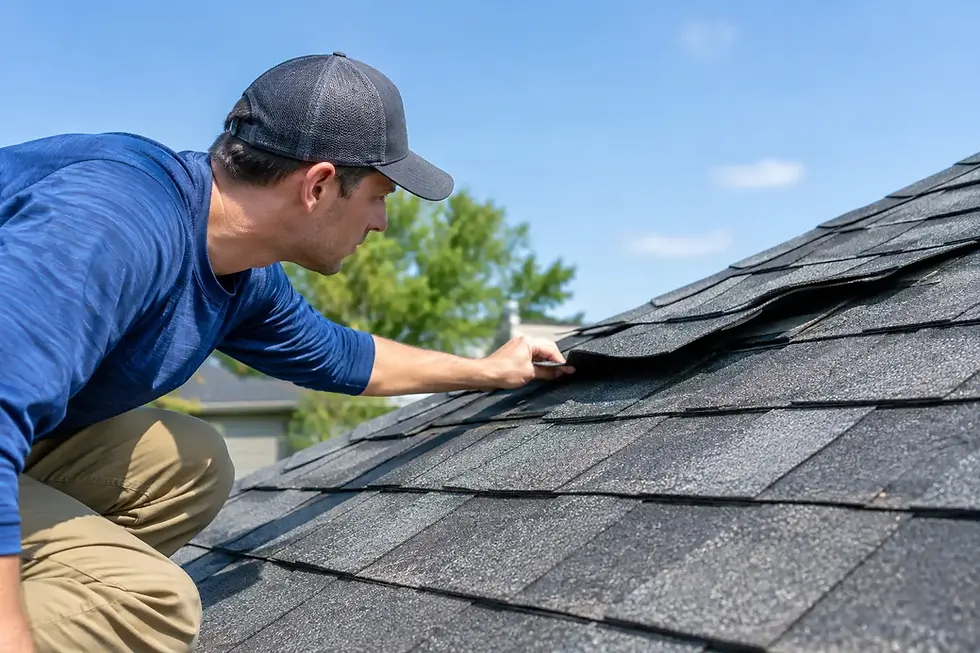
A professional inspection can help separate cosmetic wear from true replacement needs. That is especially useful if you are trying to decide whether to repair for now or replace before the next major storm season.
Storm Season Changes the Equation
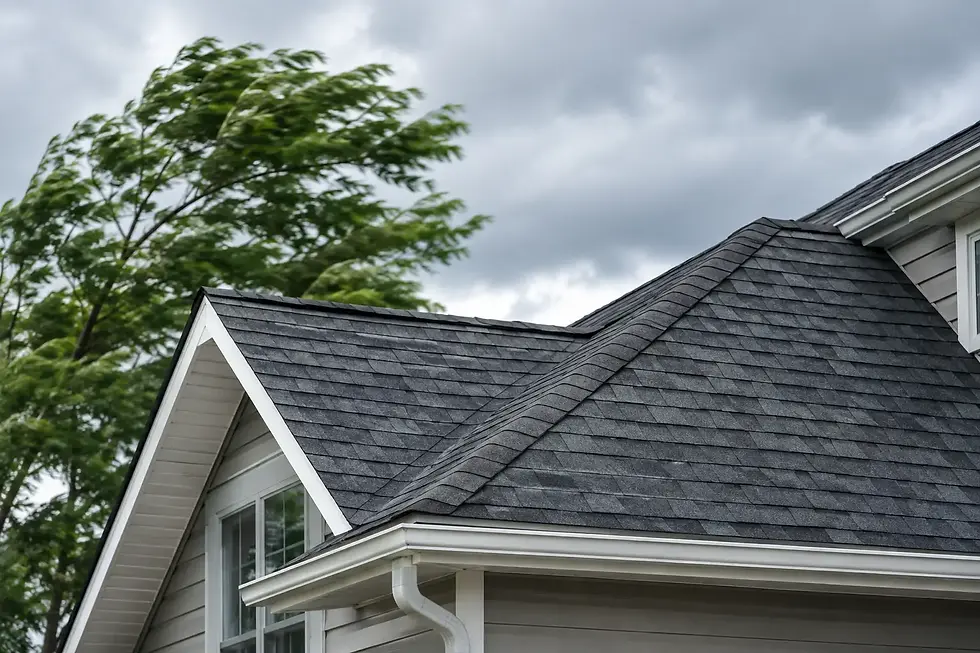
In storm-prone areas, timing is not just about comfort. It is about protection. Strong winds, hail, heavy rain, and sudden weather shifts can turn a marginal roof into a major insurance claim.
That is why many homeowners choose to replace before storm season is in full swing rather than after damage gets worse. A roof that is already compromised is more vulnerable to lifted shingles, water intrusion, and structural problems when the next round of severe weather hits.
If your property has already taken wind damage, it is worth having it checked sooner rather than later. Small problems can become expensive ones when storms keep coming.
Scheduling, Price, and Availability Matter More Than People Think
The best time for roof replacement is not only about weather. It is also about contractor availability, material lead times, and your own budget planning.
Busy seasons can mean longer wait times. That does not always mean higher prices, but it can reduce your flexibility. If you want more scheduling options, earlier planning helps. Property managers and commercial owners often benefit from booking ahead because it allows work to be coordinated around tenants, operating hours, and site access.
Financing also affects timing. Some owners delay too long because they assume replacement has to wait until cash is readily available. In reality, the cost of waiting can grow fast if leaks spread below the roofline. Exploring estimate and payment options earlier gives you more control.
When You Should Not Wait for the "Best" Season
There are situations where timing is simple. If daylight is visible through the attic, water is entering the building, decking feels soft, or shingles are blowing off during routine wind events, you should not wait for a preferred season.
The same goes for repeated repairs on an aging roof. At some point, patching becomes the expensive choice. If you keep spending money on temporary fixes while the roof system continues to decline, replacement is usually the better investment.
A strong roofing system is not just about appearance. It protects insulation, framing, interiors, inventory, and peace of mind. Delaying necessary work often shifts money from a planned project to an emergency one.
How to Choose the Right Window for Your Property
If your roof is stable enough to plan ahead, aim for a season with moderate weather and enough lead time to secure a trusted contractor. For many owners, that means targeting spring or fall. If your roof is aging but not yet failing, schedule an inspection before those busy seasons start.
If your roof has active issues, stop thinking in terms of ideal months and start thinking in terms of damage control. The best time is the earliest practical opportunity to protect the property.
For homeowners and commercial owners alike, the smartest move is not guessing from the ground. Get a clear assessment, understand whether repair or replacement makes more sense, and work with a contractor who can back the job with proven workmanship, strong warranties, and real local accountability. That is the kind of planning that saves money over time.
If you are weighing the timing right now, trust what your roof is telling you. A well-timed replacement feels proactive. A delayed one usually feels expensive.

Comments