
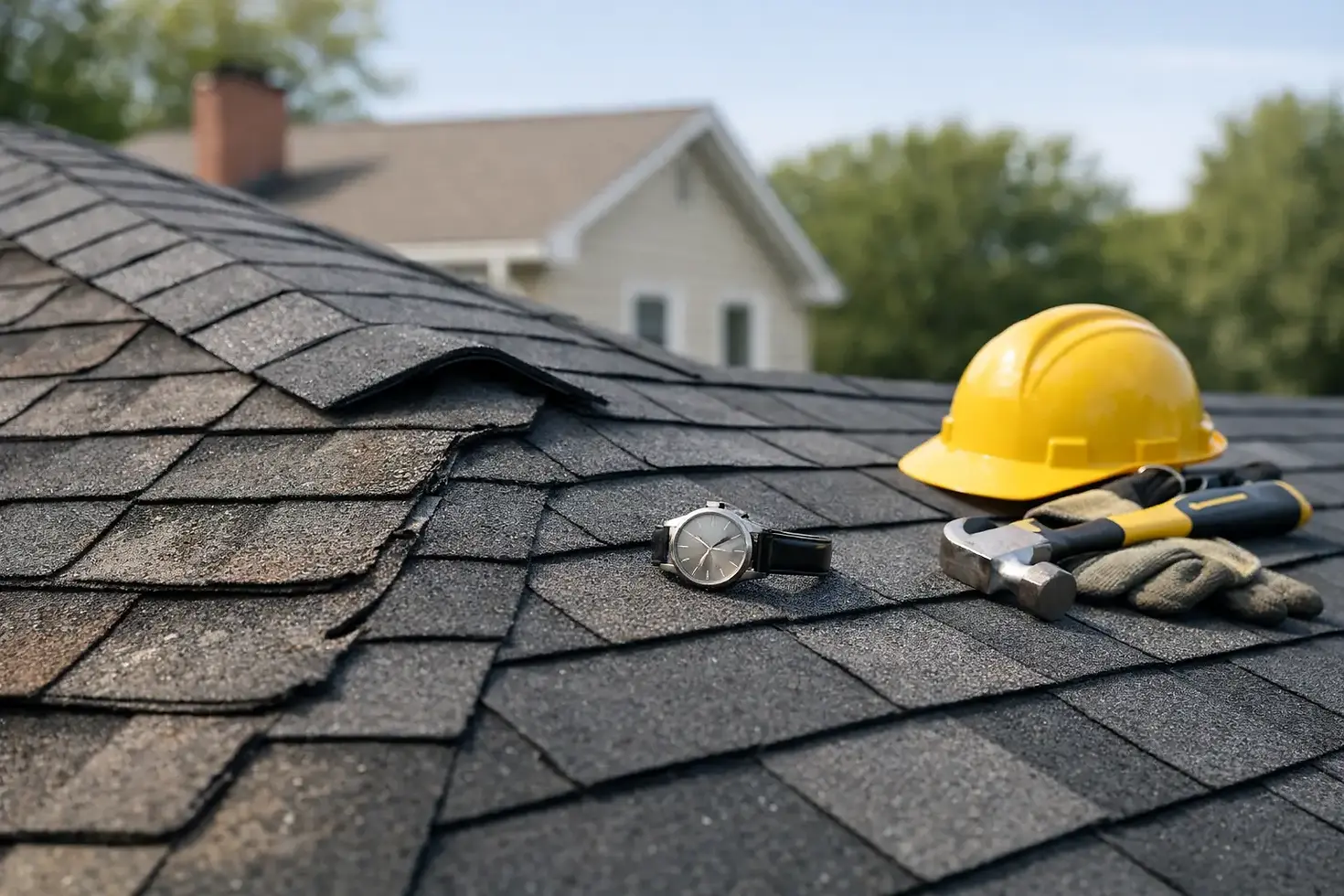
How Long Does a Roof Last?
A roof can look fine from the street and still be much closer to failure than most owners realize. That is usually when the big questions start - how long does a roof last, and how do you know whether you still have years left or whether you are one storm away from a major expense?
The honest answer is that roof life depends on material, installation quality, ventilation, storm exposure, and maintenance. In a market like Memphis and the surrounding region, weather matters more than many people think. Heat, humidity, heavy rain, high winds, and hail can shorten a roof's lifespan even when the shingles still appear decent at first glance.
How long does a roof last by material?
Different roofing systems age at different rates, and that is the first place to start.
Asphalt shingle roofs are the most common on homes, and they usually last around 15 to 30 years. Three-tab shingles are generally on the lower end of that range, while architectural shingles often last longer. Premium systems can go beyond that if they are installed correctly and backed by stronger manufacturer warranties.
Metal roofs typically last 40 to 70 years, depending on the panel type, coating, and overall system design. They tend to handle weather well, but they still need proper installation and periodic inspection, especially around fasteners, seams, and flashing.
Tile and slate roofs can last much longer, often 50 years or more, but those systems are less common in this region and come with higher structural and installation requirements. Flat and low-slope commercial roofs vary widely. TPO, EPDM, and modified bitumen systems often last 15 to 30 years, depending on drainage, foot traffic, ponding water, and maintenance.
So if you are asking how long does a roof last, the short version is this: the material sets the range, but workmanship and weather often decide where your roof lands inside it.
Why one 20-year roof lasts 12 years and another lasts 25
This is where homeowners get frustrated. Two roofs may be made from similar materials, but one ages much faster than the other.
The first reason is installation quality. A roof is a full system, not just shingles. Underlayment, flashing, starter strips, ridge ventilation, nail placement, and leak-prone transitions all matter. If those details are rushed, the roof can fail early even if the shingles themselves are rated for decades.
The second reason is ventilation. Poor attic ventilation traps heat and moisture, which can cook shingles from below and create conditions for decking damage, mold, and premature aging. In hot Southern summers, that stress adds up fast.
The third reason is storm exposure. Wind can loosen shingles over time without tearing them off right away. Hail can bruise shingle mats and shorten life even when obvious leaks are not showing yet. Repeated weather hits tend to age a roof in stages, not all at once.
Maintenance also matters. Small issues like cracked pipe boots, lifted flashing, clogged valleys, and backed-up gutters can turn into major roof damage if they are ignored. A roof does not usually fail because of one single event. More often, it wears down through a series of manageable problems that no one catches early.
Signs your roof may be near the end of its life
Age matters, but condition matters more. A 17-year-old roof in strong shape may still have time left. A 12-year-old roof with storm damage or poor installation may already be a replacement candidate.
One of the clearest warning signs is shingle damage. If you are seeing cracking, curling, granule loss, bald spots, or shingles that are missing after storms, your roof may be deteriorating faster than expected. Granules in gutters are another common clue that the protective surface is wearing away.
Inside the property, water stains on ceilings or walls can point to roof failure, but leaks are rarely the first sign. Many roofs show age through soft decking, mold around the attic, or visible sagging before water makes it into living space.
Flashing issues around chimneys, vents, skylights, and roof valleys are also worth attention. Those transition points usually fail before the main field of shingles does. If repeated repairs are starting to stack up, replacement may be the more cost-effective move.
For commercial properties, membrane shrinkage, punctures, seam separation, and standing water are common red flags. These systems can often be repaired, but once moisture gets trapped beneath the membrane, the problem becomes more expensive quickly.
How long does a roof last in storm-prone areas?
In areas that see frequent wind, hail, and strong seasonal weather, roof life can be shorter than the national averages you see online.
That does not mean every roof in West Tennessee, North Mississippi, or Northeast Arkansas will fail early. It means regional weather should be part of the conversation from the beginning. A roof that might reasonably last 25 years in a milder climate may not reach that mark if it takes repeated storm impact, extreme summer heat, and high humidity year after year.
This is one reason warranties matter, but only if they are backed by a contractor who installs the full system correctly. Manufacturer material warranties are valuable, yet workmanship and wind coverage can make a real difference in what a property owner actually pays for later. That is especially true in places where weather is not a rare event but part of normal ownership.
Repair or replace? The answer depends on timing
A lot of property owners ask about lifespan when they are really asking whether they can avoid replacement for a few more years.
Sometimes the answer is yes. If the roof is relatively young, the damage is limited to one area, and the rest of the system is in good shape, a targeted repair may make sense. This is often true after isolated wind damage, flashing failure, or a minor leak around a roof penetration.
But repairs stop being smart when the roof is aging across multiple areas at once. If shingles are brittle, repairs are frequent, or storm damage keeps exposing weak spots, spending money on patchwork can cost more over time. Matching older shingles can also be difficult, which affects both performance and appearance.
For rental properties and commercial buildings, there is another trade-off. Delaying replacement may preserve cash in the short term, but it can increase the risk of interior damage, tenant disruption, insurance headaches, and emergency repair costs later. A planned replacement is almost always easier to budget than a sudden failure.
What you can do to help your roof last longer
You cannot control the weather, but you can control how quickly small issues become large ones.
A professional roof inspection after major storms is one of the best ways to protect lifespan. Damage is not always obvious from the ground, and waiting for a leak usually means you are already behind. Routine inspections can catch lifted shingles, flashing movement, punctures, and drainage issues before they turn into interior repairs.
Good attic ventilation and insulation also help. They reduce heat buildup, limit moisture problems, and support more even roof performance throughout the year. Keeping gutters clear matters too, especially where heavy rain can force water back under roofing materials.
Most importantly, choose a contractor who treats roofing as a system rather than a quick install. The quality of the crew, the materials, and the warranty package all affect how long your investment really lasts. For homeowners and property managers who want long-term value, that matters more than chasing the cheapest number on a quote.
The real answer to roof lifespan
If you want the most practical answer to how long does a roof last, think in ranges, not promises. An asphalt roof may last 15 to 30 years. A metal roof may last 40 years or more. A commercial system may fall somewhere in between depending on the material and maintenance plan.
What matters most is whether your roof is aging normally or showing signs of early failure. That takes a real inspection, not a guess from the driveway. At Price Contracting Solutions, that is exactly how we approach it - clear answers, honest recommendations, and roofing systems built to stand up to the weather our region sees every year.
If your roof is getting older, has been through recent storms, or just has you wondering what shape it is really in, now is the right time to have it checked. A simple inspection today can save you from a much bigger problem later.


Comments