

Can Roof Leaks Cause Mold? Yes - Here's What to Do
A ceiling stain may look like a small cosmetic problem, but the moisture above it can be working its way into insulation, framing, drywall, and attic decking. So, can roof leaks cause mold? Yes. Even a slow leak can create the damp, hidden conditions mold needs to grow, often before a property owner realizes there is a roofing problem.
For homeowners and property managers across Memphis, West Tennessee, Northeast Arkansas, and North Mississippi, fast action matters. Storms, wind damage, aging shingles, and flashing failures can all let water into a building. Fixing the leak early protects more than the roof. It helps protect the air quality, finishes, and long-term value of the property.
Can Roof Leaks Cause Mold Inside a Property?
Mold needs three basic things: moisture, a surface to grow on, and enough time. A roof leak can provide all three. Wood roof decking, attic insulation, paper-faced drywall, carpet, and ceiling materials are common places for mold to take hold after water intrusion.
Mold does not always appear directly beneath the leak. Water can travel along rafters, wiring, pipes, or the underside of roof decking before it drips or soaks into another material. That is why a dark spot on a bedroom ceiling may be connected to a roof issue several feet away.
The timeline depends on conditions, but mold can begin growing within 24 to 48 hours when materials remain wet. A brief, isolated drip that is dried immediately may not create a mold issue. A recurring leak, however, is a different situation. Each rain event adds moisture back into the same hidden area, giving mold a better chance to spread.
Why Small Leaks Create Expensive Problems
A missing shingle or loose pipe boot may seem minor from the ground, especially when the ceiling has not started dripping. But roofs are systems. Once water gets past the outer roofing layer, it can compromise underlayment, decking, insulation, and interior building materials.
The cost difference between a simple repair and a broader restoration can be significant. Replacing damaged shingles or repairing flashing is generally far more manageable than removing mold-affected drywall, wet insulation, deteriorated decking, and damaged ceiling finishes. On commercial properties, moisture can also disrupt tenants, inventory, equipment, and daily operations.
There is a second risk: the source of the water may not be obvious. Condensation from poor attic ventilation, a plumbing leak, or an HVAC issue can sometimes resemble a roof leak. A qualified inspection helps identify where the moisture is coming from so the repair addresses the actual cause instead of covering the symptom.
Warning Signs of Mold From a Roof Leak
You should not have to see a major ceiling collapse to know something is wrong. Watch for changes after heavy rain, wind events, or long periods of humid weather. Musty odors, peeling paint, ceiling discoloration, bubbling drywall, warped trim, and damp attic insulation all deserve attention.
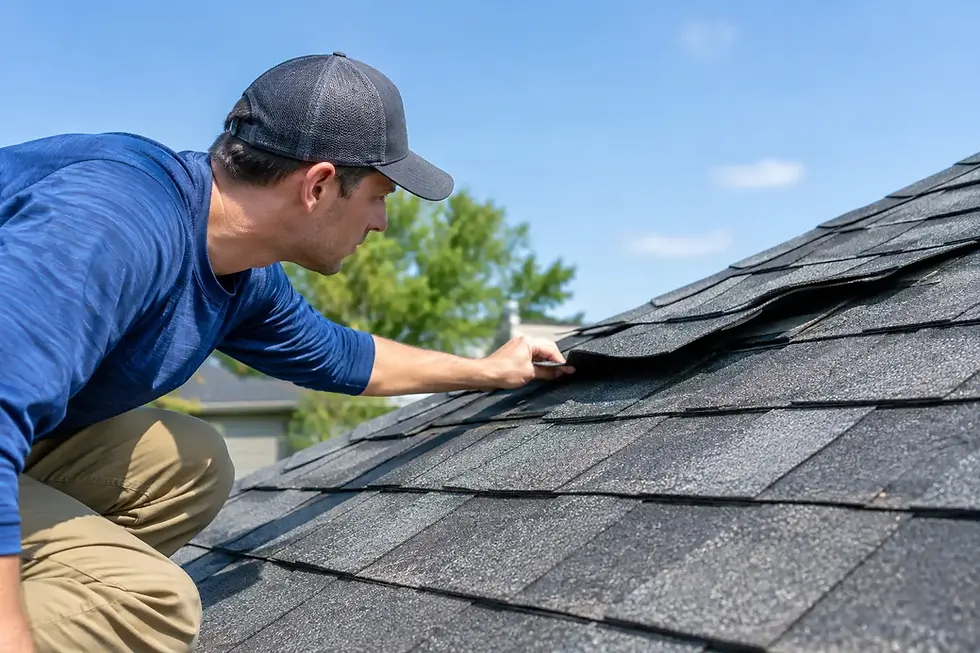
In the attic, look for dark staining on roof decking, wet insulation, rusted nails, or streaks around vents, chimneys, skylights, and pipe penetrations. Daylight visible through the roof structure is also a clear warning sign. Outside, curled or missing shingles, lifted flashing, damaged ridge caps, clogged valleys, and cracked vent boots can point to likely entry points.
Not every dark mark is mold, and not every musty smell comes from the roof. Still, waiting for certainty can allow the damage to grow. If a stain gets darker after rainfall or returns after you repaint it, treat it as an active moisture problem until proven otherwise.
What to Do When You Find a Roof Leak
Start by protecting people and property. If water is near electrical fixtures, turn off power to the affected area if it is safe to do so and contact a qualified professional. Move furniture, electronics, and valuables away from the leak. If water is collecting in a sagging ceiling, do not stand beneath it.
Next, document the damage. Take photos and videos of interior stains, active drips, damaged belongings, and any visible exterior roof damage. This record can be useful when discussing repairs or filing an insurance claim after a storm.
Then arrange a professional roof inspection promptly. Temporary measures can reduce immediate exposure, but they are not a permanent solution. Tarps, buckets, or sealant applied in the wrong location may redirect water or hide damage without stopping it. A contractor should inspect the roofing material, flashing, penetrations, valleys, decking, and attic conditions to find the true source.
Once the leak is stopped, wet materials need to be dried thoroughly. Materials that are saturated or visibly mold-affected may need professional remediation or replacement. The right approach depends on the size of the affected area, how long it stayed wet, and whether porous materials like insulation or drywall are involved.
Repair the Cause, Not Just the Ceiling
It is tempting to patch drywall, repaint a stain, and move on. That only works after the moisture source has been fully corrected and the area has dried. Otherwise, the stain, odor, and mold risk can return with the next storm.
A proper roof repair may involve replacing damaged shingles, resealing or replacing flashing, repairing a vent boot, correcting a valley issue, or replacing compromised decking. In some cases, widespread age-related wear or repeated storm damage makes a roof replacement the better long-term value. The right choice depends on the roof's age, the extent of damage, past repair history, and the condition of the surrounding materials.
For property owners, the key is getting an honest assessment. A repair is the right answer when the roofing system is otherwise sound. A replacement may be smarter when repairs are becoming frequent, water has reached the decking in multiple areas, or the roof is near the end of its service life.
Prevent Roof Leaks and Mold Before the Next Storm
Routine attention is the best defense against water intrusion. Have the roof checked after severe wind or hail, and schedule periodic inspections even when no leak is visible. Storm damage can loosen materials in ways that do not cause an immediate drip but still leave the roof vulnerable.
Keep gutters and valleys clear so water can move off the roof as designed. Trim branches that scrape shingles or drop heavy debris. Make sure attic ventilation is working properly, since trapped heat and moisture can contribute to condensation and shorten the life of roofing materials.
For commercial owners and managers, preventive maintenance is especially valuable. A small membrane seam issue or flashing failure can affect a much larger roof area than expected. Regular inspections create a record of roof conditions and help plan repairs before a minor issue becomes an emergency.
When It Is Time to Call a Roofing Professional
Call for an inspection if you have an active leak, ceiling staining after rain, a persistent musty odor, visible attic moisture, missing shingles, or suspected wind damage. Do not wait for mold to become visible. By that point, moisture may already have affected materials behind walls or above ceilings.
Price Contracting Solutions provides dependable roofing inspections and repairs for homeowners and commercial property owners who need clear answers after a leak or storm. As a family-owned, licensed, bonded, and insured contractor, the team focuses on quality workmanship, straightforward recommendations, and roofing protection built for the weather challenges in this region.
A roof leak does not have to become a mold project. A timely inspection, the right repair, and proper drying can protect your property from a much larger problem. If you see the warning signs, request a free quote before the next rainfall gives that leak another chance to spread.

Comments