

How to Choose Roof Shingles That Last
A roof can look fine from the street and still be the wrong system for your home, your budget, and the weather it has to handle. If you're wondering how to choose roof shingles, the real answer is not just picking a color you like. It means balancing appearance, lifespan, wind resistance, warranty coverage, and the quality of the installation behind it.
That matters even more in places where storms, heat, humidity, and wind all put pressure on a roofing system over time. The right shingle should protect your property today and still make sense ten or twenty years from now. The wrong one can leave you paying for repairs, dealing with premature wear, or regretting a decision that looked cheaper at the start.
How to choose roof shingles for your home
Most property owners start with style and price. That is understandable, but it is not enough. A roof is a system, not just a row of shingles, and the best choice depends on what your house needs, what kind of weather it faces, and how long you plan to stay in the property.
If you expect to be in your home for many years, paying more for a stronger, longer-lasting product often makes sense. If you are preparing to sell, curb appeal and transferable warranty value may matter more. If your property sees frequent wind exposure, impact concerns, or heavy rain, performance should lead the decision instead of appearance alone.
This is where many homeowners get tripped up. They compare one shingle to another like they are buying paint colors, when they should be asking how each option performs under real-world conditions.
Start with the shingle type
For most residential homes, asphalt shingles are the practical choice because they offer a strong mix of affordability, durability, and design flexibility. Within asphalt, you will usually compare 3-tab shingles and architectural shingles.
3-tab shingles are the more basic option. They cost less up front, but they are thinner, flatter in appearance, and generally less durable in strong weather. For some budget-driven projects, they may still be considered, but many homeowners move past them quickly once they understand the trade-offs.
Architectural shingles are heavier, more dimensional, and usually built for better wind performance and longer life. They also tend to look better from the curb, which matters if you care about resale value or simply want your home to look well kept. For many homes, this is the sweet spot between price and performance.
There are also premium designer shingles that aim to mimic slate or cedar. These can create a sharp, high-end look, but they come at a higher cost. They make the most sense when appearance is a major priority and the rest of the home supports that investment.
Match the shingle to local weather
One of the biggest mistakes people make when figuring out how to choose roof shingles is ignoring climate. A product that performs well in one region may not be the best fit somewhere else.
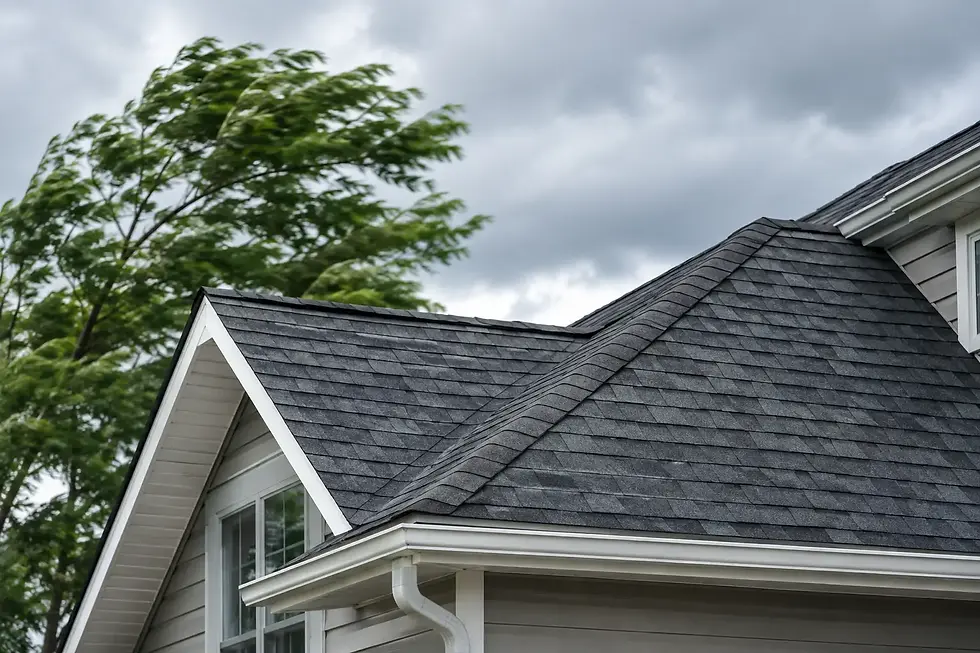
In storm-prone areas, wind resistance should be near the top of your list. Not all shingles are rated the same, and stronger wind warranties can signal a better level of protection when paired with proper installation. If your area sees regular storms, gusts, and seasonal weather swings, this is not a place to cut corners.
Heat and sun exposure also matter. Darker shingles can absorb more heat, which may affect attic temperatures and energy use depending on ventilation and insulation. That does not mean dark roofs are always a bad idea, but it does mean color should be discussed along with performance, not separately.
Humidity and heavy rain raise another issue: moisture management. A good-looking shingle will not do much for you if the roof system underneath is poorly designed or installed. Underlayment, ventilation, flashing, and ridge components all play a role in whether your roof holds up.
Look beyond the shingle itself
Homeowners often ask which shingle brand or style is best, but a better question is whether the full roofing system is built to work together. Even a top-tier shingle can fail early if the rest of the roof is not installed correctly.
That is why warranty coverage matters, but only if you understand what it actually covers. Some warranties sound impressive until you learn they are heavily limited or depend on a full system installation. Others offer stronger long-term value because they back more than just the shingle material.
A strong warranty can be a real advantage, especially when it includes meaningful wind protection. In areas where storm damage is a recurring concern, that kind of coverage helps reduce risk and gives property owners more confidence in the investment.
Choose based on lifespan, not just price
Every homeowner has a budget. That is real life. But the cheapest roof is not always the lowest-cost option over time.
A lower-priced shingle may save money today while offering a shorter lifespan, weaker wind resistance, and a more basic appearance. A better-grade product may cost more up front but deliver longer service life, fewer issues, and better resale appeal. The right choice depends on your timeline and goals.
If you plan to keep the property, it usually makes sense to think in terms of cost per year rather than the initial estimate alone. A roof that lasts longer and performs better often delivers stronger value, especially if it helps you avoid repair calls after every major storm.
For rental properties or commercial buildings, the calculation can shift a little. You may focus more on durability, maintenance demands, and predictable long-term performance than on architectural style. The key is still the same: buy for the job the roof needs to do.
Color matters, but not for the reason most people think
Color is often the most visible part of the decision, but it should come after performance and product quality. The best roof color is one that fits the home, works with the exterior materials, and still looks good years down the road.
Neutral tones are usually the safest choice for broad curb appeal. Grays, weathered wood tones, blacks, and browns tend to work across many home styles. Bold colors can look great on the right house, but they can also limit resale appeal if they clash with brick, siding, or surrounding homes.
It is also smart to view samples in natural daylight. A color that looks one way on a brochure or screen may appear warmer, cooler, lighter, or darker on the roof itself. If your home has stone, brick, or painted trim with strong undertones, make sure the shingle color supports those features instead of fighting them.
Pay attention to contractor guidance
The same shingle can perform very differently depending on who installs it. That is why choosing the right contractor is tied directly to choosing the right shingle.
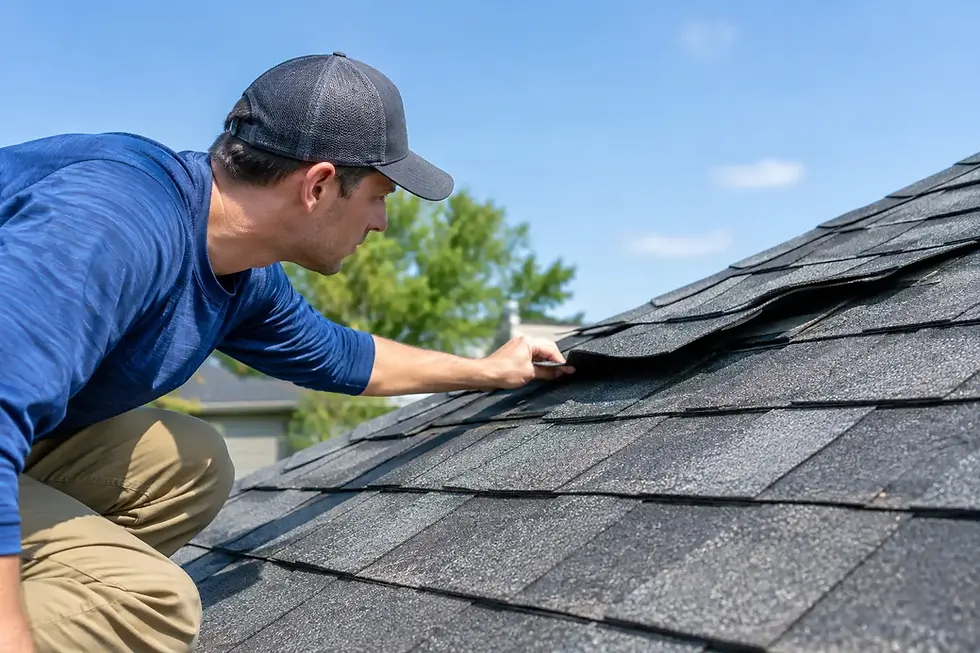
A qualified roofing professional should ask about your budget, how long you plan to stay in the property, your style preferences, and the weather challenges your roof faces. They should also explain the trade-offs clearly. If someone is pushing one option without discussing ventilation, warranty terms, or system components, you are not getting the full picture.
This is also where certifications, insurance, and proven reviews matter. A contractor with strong credentials and a track record of quality work is more likely to install the system the way the manufacturer intends. That can affect both performance and warranty protection.
For homeowners in Memphis, West Tennessee, Northeast Arkansas, and North Mississippi, storm durability is usually not a side issue. It should be part of the main conversation from the start.
Questions worth asking before you decide
Before signing off on a roof, ask a few practical questions. What wind rating does this shingle carry? What kind of warranty applies to the full system, not just the material? How does this option compare in expected lifespan? Is the color a safe fit for your home's exterior? And just as important, what is the contractor including in the installation that protects the roof beyond the shingles themselves?
Those answers will tell you more than a product brochure ever will. They help you compare real value instead of just comparing price tags.
At Price Contracting Solutions, those are the conversations that matter because a roof should do more than cover a house. It should stand up to weather, protect your investment, and give you confidence that you made the right call.
The best shingle choice is the one that fits your roof and your risk
There is no single best shingle for every property. The right fit depends on your home, your plans, your budget, and the level of protection you expect when bad weather rolls through. For most homeowners, that means choosing a quality architectural shingle installed as part of a complete roofing system with a warranty that actually adds value.
A good roof decision should feel clear, not confusing. If you are weighing your options, get a professional opinion, compare more than color and price, and make sure the roof you choose is built for the way you really live. That is the kind of decision that pays off long after the crews leave.

Comments