

What a 50 Year Roofing System Warranty Covers
A roof replacement is one of the biggest exterior investments you will make, so the phrase 50 year roofing system warranty gets attention fast. It should. But not every long-term warranty means the same thing, and the difference between real protection and marketing language can cost you later. If you are comparing roofing contractors, this is one of the smartest places to slow down and read the fine print.
What a 50 year roofing system warranty actually means
A 50 year roofing system warranty usually refers to coverage on the full roofing system, not just a single shingle. That matters because a roof is not one product. It is a group of components working together, including shingles, underlayment, starter strips, ventilation pieces, ridge caps, and other approved materials.
When those parts are installed as a complete system, manufacturers may offer stronger protection than they would on shingles alone. In plain terms, you are not just buying a roof that looks good on day one. You are buying a system designed to perform as a unit over time.
That said, 50 years does not always mean your roof is guaranteed in every situation for half a century. Some warranties are prorated after a certain number of years, which means the coverage value drops over time. Others offer stronger non-prorated protection for a defined period before shifting. The label sounds simple, but the terms can be very different from one contractor or manufacturer to the next.
Why the word system matters
Homeowners often hear "lifetime" or "50-year" and assume all roof warranties are basically the same. They are not. A material-only warranty on shingles is one thing. A roofing system warranty is broader and generally more valuable because it recognizes that roof failures do not always come from one visible product defect.
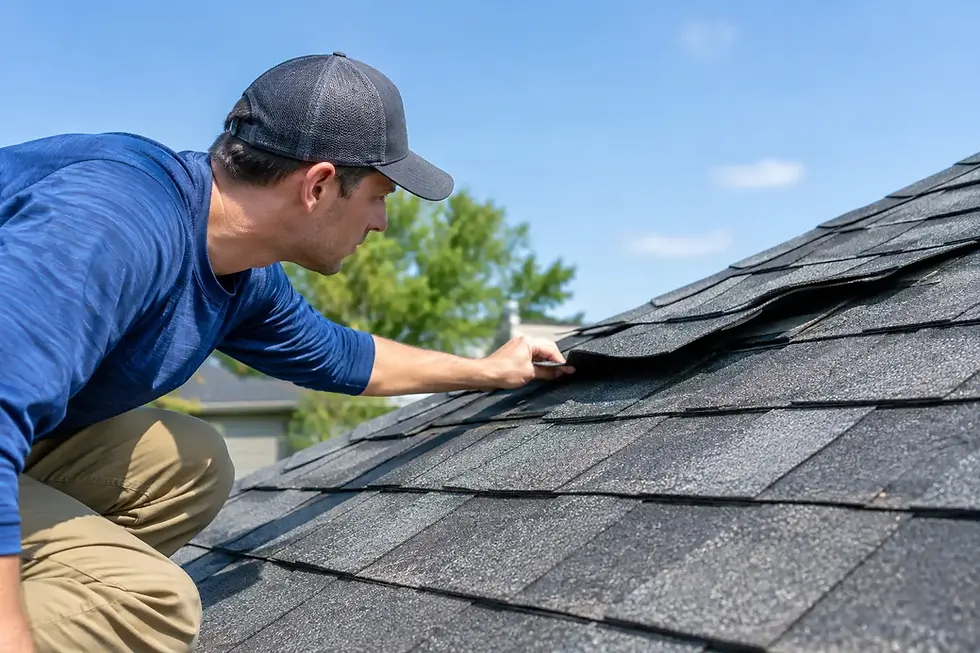
For example, if the shingles are fine but the roof was built with mismatched components or poor installation practices, the result can still be leaks, blow-offs, or premature wear. A true system warranty is built around compatibility. The materials are designed to work together, and the warranty reflects that.
This is one reason certified contractors stand out. When a roofing company has the right manufacturer credentials, it may be able to offer stronger system-level protection that an uncertified installer cannot. That is not a small detail. It can directly affect what is covered and who stands behind the work.
What a 50 year roofing system warranty often covers
The exact terms depend on the manufacturer and installer, but strong roofing system warranties commonly cover manufacturing defects in the approved roofing materials. If a product fails earlier than it should because of a defect, the warranty may help pay for replacement materials and, in better warranty packages, labor as well.
Some premium warranties also cover workmanship for a defined period when the roof is installed by a certified contractor. That is a major advantage because labor is often the expensive part of a roofing repair or replacement. If the problem is covered but you still have to pay for tear-off, disposal, and installation, the protection is not nearly as strong as it first sounded.
Another key detail is wind coverage. In storm-prone areas, wind resistance is not a side issue. It is central to whether your roof will hold up. Some warranty packages include separate wind coverage for a set number of years, and that can add real value if you live in a region where seasonal storms are part of life.
What a 50 year roofing system warranty does not cover
This is where homeowners get surprised. Even a very strong warranty will have exclusions. Most do not cover damage caused by neglect, lack of maintenance, structural movement, acts of nature beyond the stated limits, or problems created by other trades working on the property.
Improper attic ventilation is another common issue. If heat and moisture build up because ventilation was not handled correctly, roof materials can age faster. Depending on the warranty terms, that may affect coverage. Alterations after installation can matter too. If someone installs satellite equipment, solar attachments, or other penetrations without proper roofing methods, that can create problems the warranty was never meant to absorb.
This is why the best warranty is not just the one with the biggest number on the paperwork. It is the one that is clearly explained before the job starts. Good contractors do not hide behind vague promises. They walk you through what is covered, what is excluded, and what you need to do to keep the warranty valid.
The contractor matters as much as the warranty
A long warranty is only as dependable as the company and manufacturer behind it. If a contractor cuts corners on installation, uses substitute materials, or does not follow manufacturer requirements, that 50 year roofing system warranty may not protect you the way you expect.
That is why credentials matter. Licensed, bonded, and insured contractors reduce risk. Manufacturer-certified installers matter too, because those certifications usually require training, performance standards, and accountability. Reviews matter for the same reason. Homeowners want proof that the company shows up, finishes the job, and handles problems the right way.
If a roofer talks a lot about warranty length but avoids specific questions, that is a red flag. Ask who backs the warranty. Ask whether labor is included. Ask whether the coverage is prorated. Ask what happens if there is a claim five years from now. Clear answers are a good sign. Evasive ones are not.
Why this matters in storm-prone markets
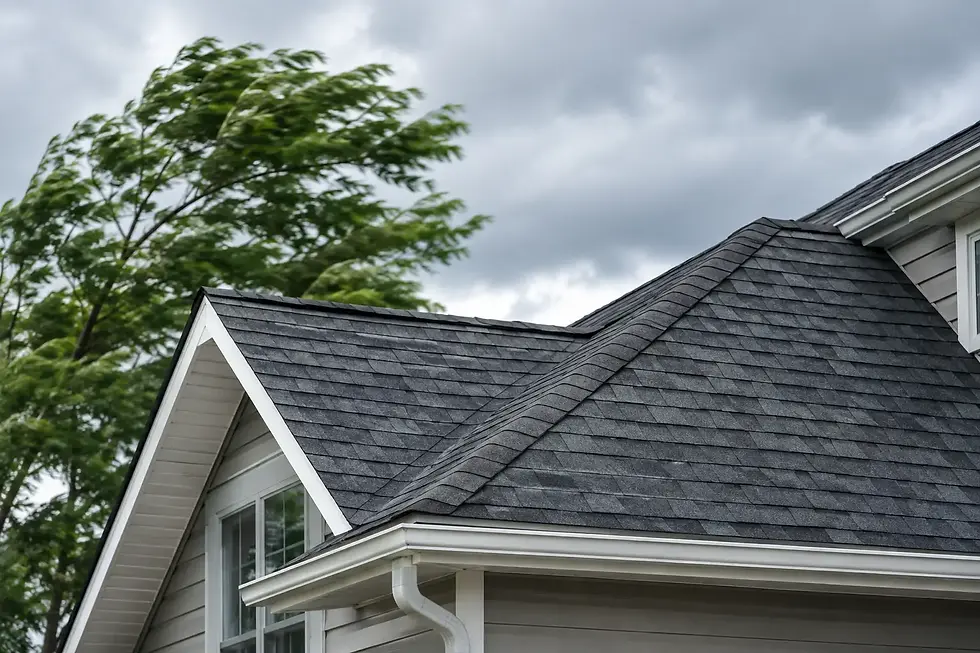
In places like Memphis, West Tennessee, Northeast Arkansas, and North Mississippi, roofing decisions are not theoretical. Wind, hail, heavy rain, and seasonal weather swings put real stress on roofing systems. That makes warranty quality more than a nice selling point. It becomes part of your risk management.
A low-price roof that fails early can cost far more than a better system installed right the first time. Repairs, interior damage, insurance headaches, and repeat labor add up quickly. A stronger roofing system warranty helps protect your investment, but it also gives you confidence that the roof over your family, tenants, employees, or customers is backed by more than a handshake.
For property managers and commercial owners, that long-term value matters even more. Predictable performance helps with budgeting. Better protection can reduce emergency calls and surprise expenses. And when tenants or occupants depend on the building, roof reliability is not optional.
How to compare one 50 year roofing system warranty to another
Start by looking past the headline. Two warranties can both say 50 years and still be very different in practice. Check whether the warranty covers only materials or materials and labor. See how long the non-prorated period lasts. Review the wind coverage terms. Ask whether workmanship is included and for how long.
Then look at transferability. If you sell the home or property, can the next owner receive any remaining coverage? That can add resale value, especially when buyers are nervous about major exterior systems.
It also helps to ask what the contractor must install to qualify for the warranty. A complete system may cost more upfront than a patchwork approach, but that added protection is often the reason the stronger warranty exists in the first place. This is one of those times when cheaper is not always smarter.
A warranty should lower stress, not create more questions
The best roofing experience is not just about new shingles. It is about knowing what you paid for and knowing who stands behind it. A well-explained 50 year roofing system warranty tells you that the contractor takes quality seriously, uses the right materials, and is prepared to back the job for the long haul.
That is the standard homeowners and property owners should expect. If you are replacing a roof, ask for the warranty details in writing, ask questions until the answers make sense, and work with a contractor that treats protection as part of the product. Companies like Price Contracting Solutions have built trust by pairing certified installation with strong warranty coverage, because peace of mind should not be an upgrade.
A roof is supposed to protect everything under it. The warranty behind that roof should do the same for your investment.

Comments